

The road to success: paving the way to a smoother drive.
CRH successfully tackled an urgent design change for one of New York State’s biggest infrastructure projects: the construction of the Governor Mario M. Cuomo Bridge
The team skillfully managed the delivery and placement of large amounts of specialty pavement to provide a weather-resistant driving surface for the hundreds of thousands of daily motorists who drive over the bridge. The job served as just one example of how CRH can solve complex problems on major construction projects.
(Photo credit: New York State Thruway Authority)
Project Snapshot
Location: New York, New York
Product Type(s): Asphalt, Paving & Construction
Follow the Hudson River north of Manhattan
The famed waterway eventually widens to nearly three miles (5 km) across. Spanning this impressive expanse is a gleaming ribbon of steel, concrete, and asphalt—the Gov. Mario M. Cuomo Bridge. Towering structures rise from its center, each standing nearly 50 percent taller than the Statue of Liberty. As the longest bridge in New York State, it is a vital economic artery for the Hudson Valley.
The nearly $4 billion structure replaced the aging Tappan Zee Bridge, which opened in 1955 with a designed capacity of 100,000 vehicles a day. By 2010, after several upgrades to handle increasing traffic, the old bridge was groaning under as many as 170,000 vehicles a day. To keep people and goods flowing through the region over the next century, the state of New York ordered a modern replacement to be built.
The new bridge was designed with two spans carrying eight lanes of general traffic, four emergency lanes, dedicated bus lanes, and a 12-foot bike and pedestrian path, making it one of the widest cable-stay bridges in the world at 186 feet (56 m). Construction began in 2013.
To ensure the bridge could stand up to the region’s harsh winters, the construction consortium ordered a design change in 2017 that called for a more durable and weather-resistant driving surface using huge quantities of a special asphalt mix on short notice. As the consortium in charge of the project evaluated the change, Tilcon New York, a CRH company, and other partners were brought in to determine the best approach. The team assessed the bridge deck condition and proposed a process to meet the new specifications.
The design change called for using Rosphalt, a premium paving mix that is far more durable in cold weather and highly resistant to the grooves and deformations that degrade an asphalt surface over time. The challenge? No local supplier had ever produced or laid this much special mix before.
Between Tilcon New York’s involvement in the engineering process, its existing paving contract for the bridge, and its unrivaled Rosphalt production capabilities, the firm was selected as the only operation in the area capable of producing and placing the special asphalt in this quantity and urgent timeframe. It also reflected how CRH, the largest provider of building materials solutions in North America, is uniquely positioned to solve large infrastructure and construction projects across the continent.
Delivering a special product on a short deadline without disruption
Paving the deck is one of the final steps in a bridge’s construction. It’s the metaphorical icing on the cake that ensures a smooth, safe ride for drivers and aesthetic benefits.
Rosphalt is ideal for sites with unusually heavy loads, such as ports, racetracks, and airports. It lasts 3.5 times longer than traditional asphalt, meaning lower lifecycle costs and fewer closures for repairs. But Rosphalt also requires special preparation and handling. Paving both decks of the new bridge would require more than 28,000 tons of this premium specialty material—an unprecedented amount for any project at the time.
Tilcon New York wasted no time getting to work.
Creating an A-team to solve the unique challenges
The project posed unique engineering challenges around surface preparation, material delivery, roller changes, and safety. Rosphalt needs hotter temperatures and extra mixing time. The mix is produced at 450°F (232°C), about the same temperature needed to grill a New York strip steak. When placed on the road’s surface, ambient temperatures can easily top 100°F (38°C), even at night.
Tilcon New York produced the mix at its Riverdale, NJ, batch plant—a 400,000-ton-per-year facility that had been part of CRH since 1999 and has since relocated to a state-of-the-art site in nearby Totowa. The last-minute design change also came amid the busy summer paving season. Tilcon New York already had commitments of 1 million tons of asphalt for other customers. However, delaying one of the state’s signature infrastructure projects was out of the question. The team would have to deliver for the community while continuing to fulfill orders for existing customers.
To solve these and other challenges, Tilcon assembled a world-class team of cross-functional experts, including project engineers, a senior paving foreman, asphalt production and transport experts, and quality control. Plant personnel and equipment operators underwent extensive training to ensure safety and quality when handling the special superheated mix. Crews used plexiglass shields, curtains, and fans to deflect heat and fumes. Rain posed another challenge. The mix was so hot that it would produce clouds of scalding steam if it came in contact with a rain puddle. For both quality and safety, surface moisture was removed with a blower truck and hand blowers.
Tilcon New York created and approved the job mix formula in just six weeks, well ahead of the eight to ten-week schedule common for a project of this scale with multiple contractors, suppliers, and agencies involved in the process. The first test strip was placed 16 days after the decision to include Rosphalt was officially finalized.
Every detail of the paving operation was mapped out with precision. Up to 1,200 tons of Rosphalt would be placed each night. In just over two weeks, Tilcon placed 14,300 tons of Rosphalt on the westbound span. That span opened to traffic in October 2017 while construction on the eastbound span continued. Upon completing the eastbound span, Tilcon returned in September 2018 to place another 14,000 tons of Rosphalt.
The bridge was complete.
Results
The Gov. Mario M. Cuomo Bridge has accommodated a steady increase in personal and commercial traffic and pedestrian and bicycle usage, contributing to the region’s economic growth. In 2018, its first full year of operation, the new span handled more than 28 million vehicles—10 percent more than the old bridge—and is expected to top 30 million in 2023. It is capable of handling more than 50 million vehicles a year.
The new bridge’s more durable surface has also enabled growth in heavy truck traffic, which is vital to the region’s economy. Rosphalt shows two-thirds less wear and tear than traditional asphalt. For the average driver, it means a smoother, safer journey with the prospect of fewer repairs and lane closures in the future.
Faced with an urgent design change to a signature infrastructure project, CRH rose to the challenge by bringing its leading capabilities to bear in safely delivering and placing unprecedented quantities of specialty pavement on time and within budget, ensuring that the new bridge could serve millions of people and businesses in the region for decades to come.
Explore more projects
Next-Generation Asphalt Technology
Roadstone, a CRH Company, has developed an innovative, scalable solution that sets a new benchmark in high-performance roads. A groundbreaking asphalt mix featuring…
72-hour runway rehab
West Virginia Paving overcame a logistical challenge when completing a comprehensive runway rehabilitation project at West Virginia International Yeager Airport…
Tunneling Through a Mountain
A 2.1-km tunnel will carve through the mountains, providing an essential lifeline to shield motorists from rockfalls and treacherous snow…
Stormwater in Tennessee
When the design plan of the Williamson County Medical Center, in Nashville, TN came face to face with several unique challenges posed by regulatory and site constraints, they turned to CRH for a smart solution…
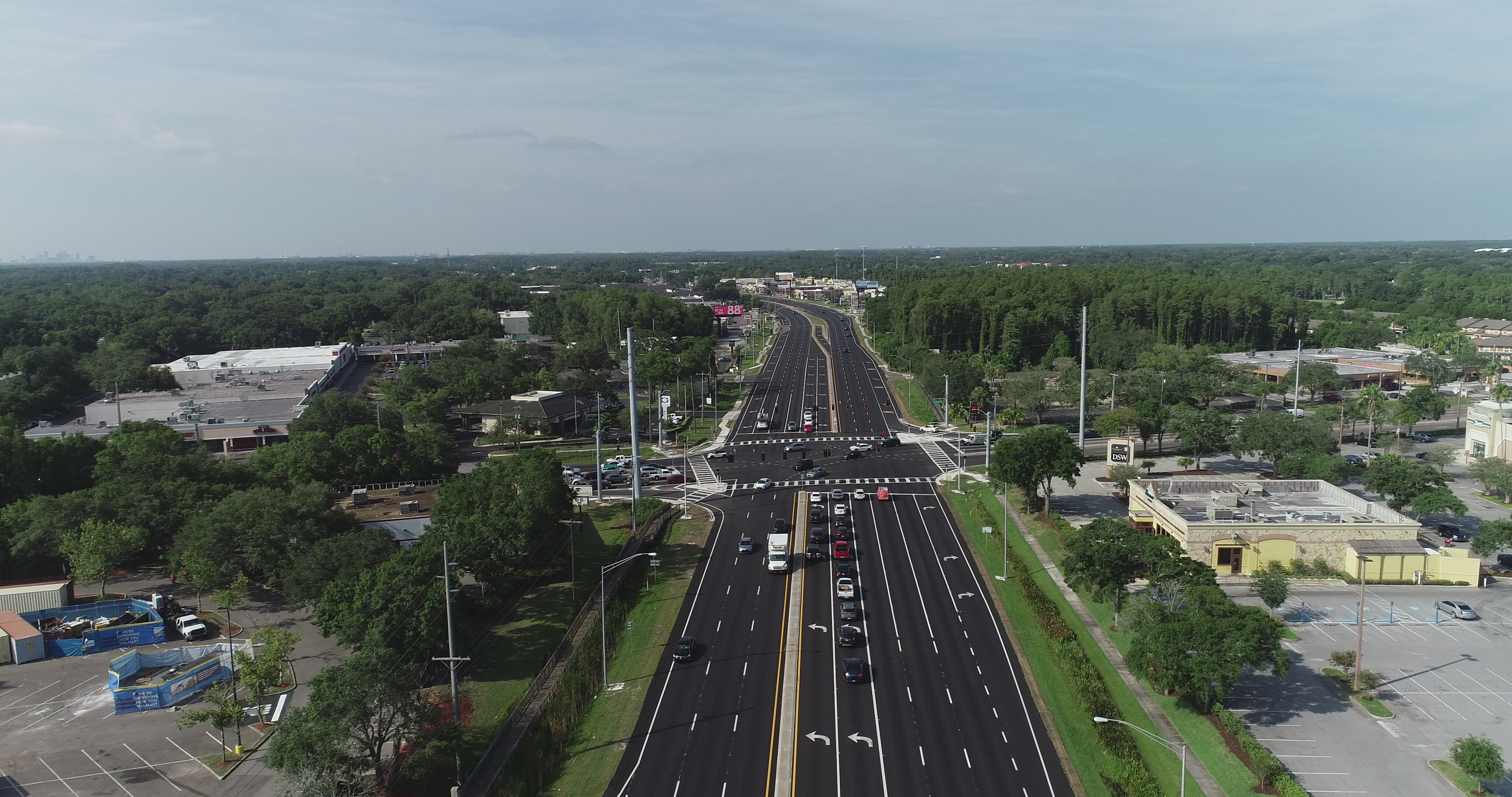
Dale Mabry Highway
Repaving the Dale Mabry Highway (State Road 597) in Tampa, Fla. presented a range of technical and logistical challenges. This busy urban corridor connects key destinations including…

Vital harbor in tonga
The Queen Sālote International Wharf (QSIW) is a major artery for inbound cargo arriving in Tonga, but the wharf, and specifically its hardstand, was badly in need of an upgrade…
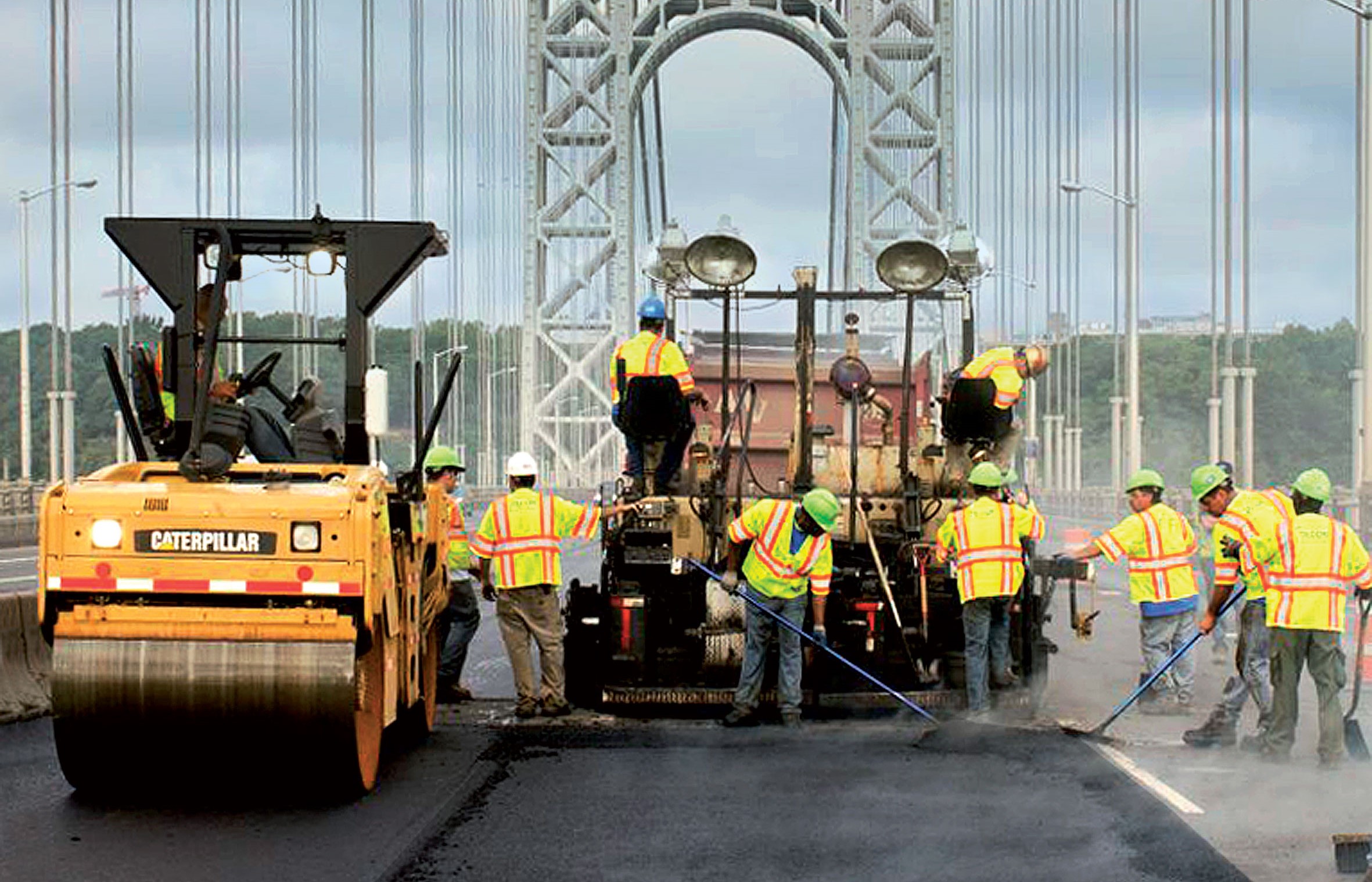
George Washington Bridge
As a reputable paver in the Tri-State area, known for its work on the Mario Cuomo Bridge, Tilcon NY was awarded the contract to resurface G.W. Bridge’s bridge deck…

Yellowstone
HK Contractors (HK), A CRH Company, has completed many successful projects within the park, enabling sightseers to enjoy the vast landscape safely, securely and sustainably…
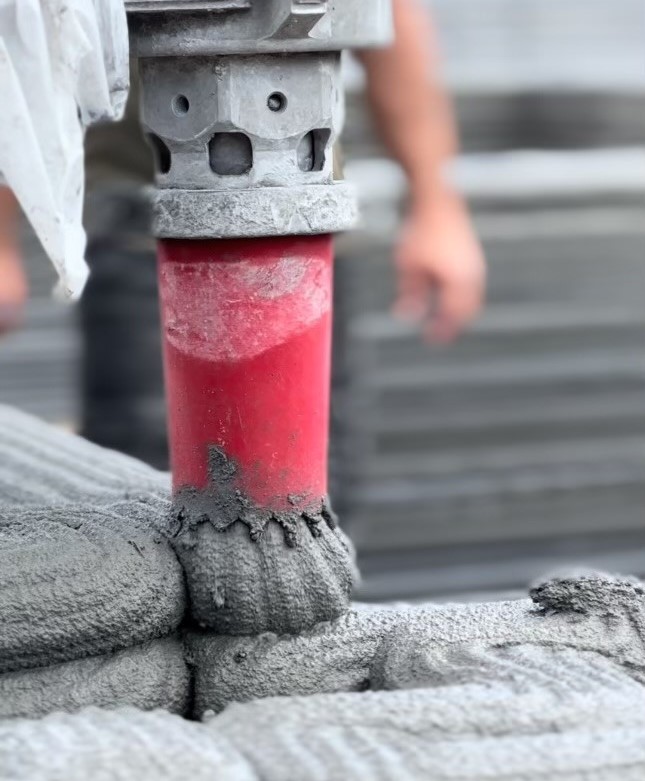
3D Printing: A Durable, Sustainable Solution to the Housing Market
CRH is developing the use of 3D concrete printing (3DCP), a revolutionary construction method by which buildings are ‘printed’ from a plan, one layer of concrete at a time…
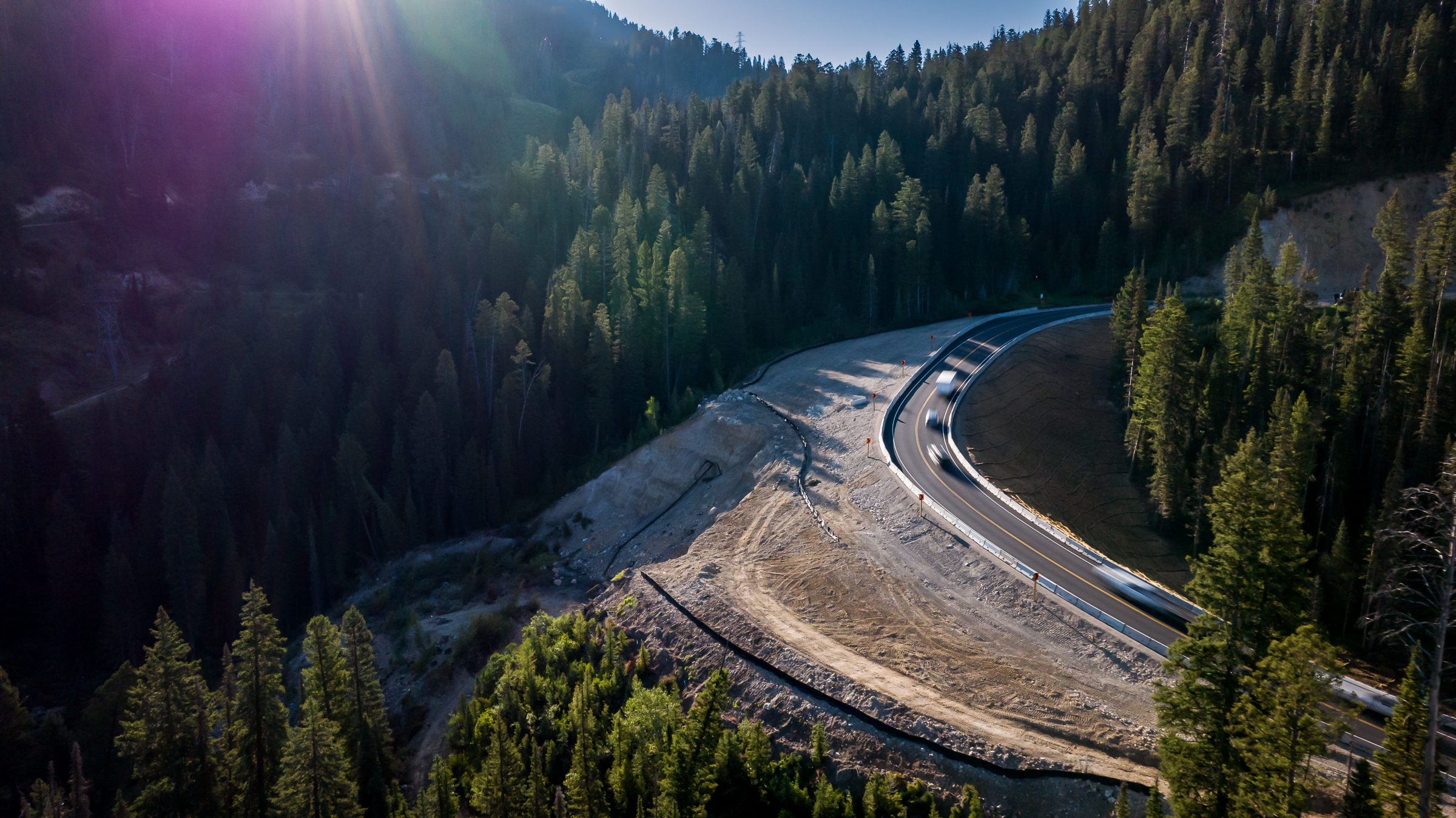
Teton Pass
Following a catastrophic landslide at Teton Pass, CRH companies collaborated to build a critical temporary detour under an almost impossible two-week deadline…