
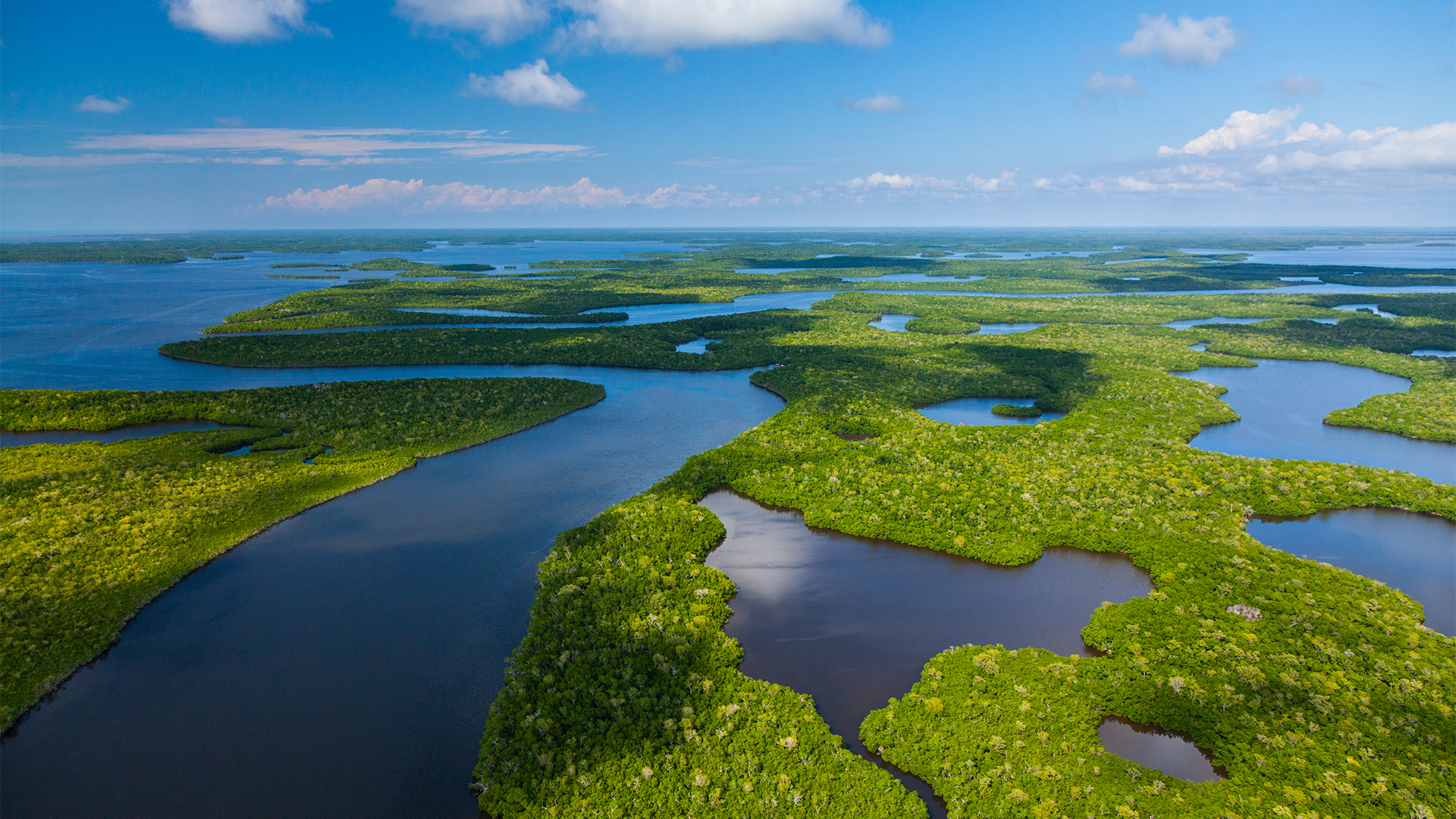
Restoring the flow: The infrastructure behind America’s Everglades
For generations, water flowed naturally south from Lake Okeechobee, through the Everglades and into Florida Bay. But as South Florida developed, roads, canals, levees and flood-control systems interrupted that natural flow.
Today, a major infrastructure program is working to restore it.
Project Snapshot
Division: CRH Americas
Location: Florida, United States
Product Type(s): Water infrastructure solutions and water-treatment technologies
The Comprehensive Everglades Restoration Plan (CERP) is the largest estuary restoration project in the world, designed to increase freshwater storage, improve water quality and help re-establish the natural flow of water through the greater Everglades ecosystem.
It is an immense water-management challenge, comprising a vast, interconnected network of projects built around one fundamental goal: capture freshwater, store it, treat it and move it to where it is needed most.
This challenge has unfolded over many years. Across different projects, at different stages of the system and at different points in time, CRH companies have brought materials, infrastructure solutions and water-treatment technologies required to help restore and protect this critical water resource.
Storing water at scale
The C-43 West Basin Storage Reservoir was a significant part of the restoration project. Designed to provide a more consistent flow of water into the Caloosahatchee River Estuary, the reservoir helps reduce extreme changes in salinity.
With capacity to store more than 55 billion gallons of water, the 10,500-acre above-ground reservoir is a piece of infrastructure on an extraordinary scale. Protecting that infrastructure created another challenge, and this is where Oldcastle Infrastructure, A CRH Company, played a key role through its work on the wave wall.
Protecting critical infrastructure
Oldcastle Infrastructure provided a custom precast wave-wall solution to help protect the reservoir during major storm and hurricane events, reducing the effects of wave action and the potential for reservoir breach or failure.
The solution included three product sizes and approximately 6,300 precast components with custom joint designs. Combined, they extend approximately 90,000 linear feet, creating another layer of infrastructure protecting the system behind it.
Treating water at the source
Protecting the Everglades also means improving water quality. Excess phosphorus and nitrogen can fuel algae growth and damage the aquatic ecosystem. Axius Water, a part of Oldcastle Infrastructure, provides nutrient-removal technologies like Nexom’s Cyclor Turbo, designed to reduce these pollutants at the source.
Together, these solutions demonstrate how the infrastructure behind water can help restore natural flows, protect critical resources and build a more resilient future for the Everglades.
Explore more projects
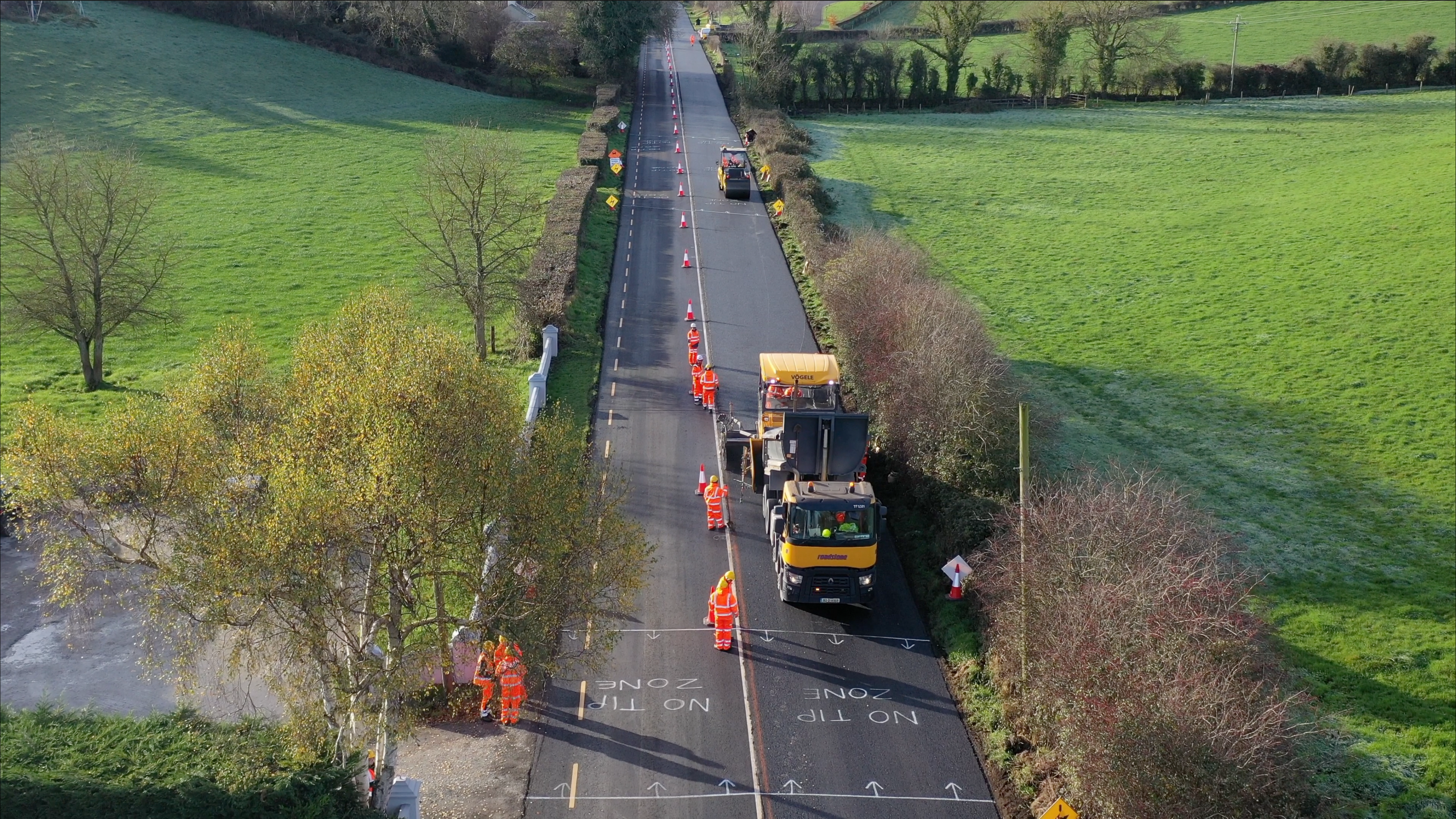
Next-Generation Asphalt Technology
Roadstone, a CRH Company, has developed an innovative, scalable solution that sets a new benchmark in high-performance roads. A groundbreaking asphalt mix featuring…
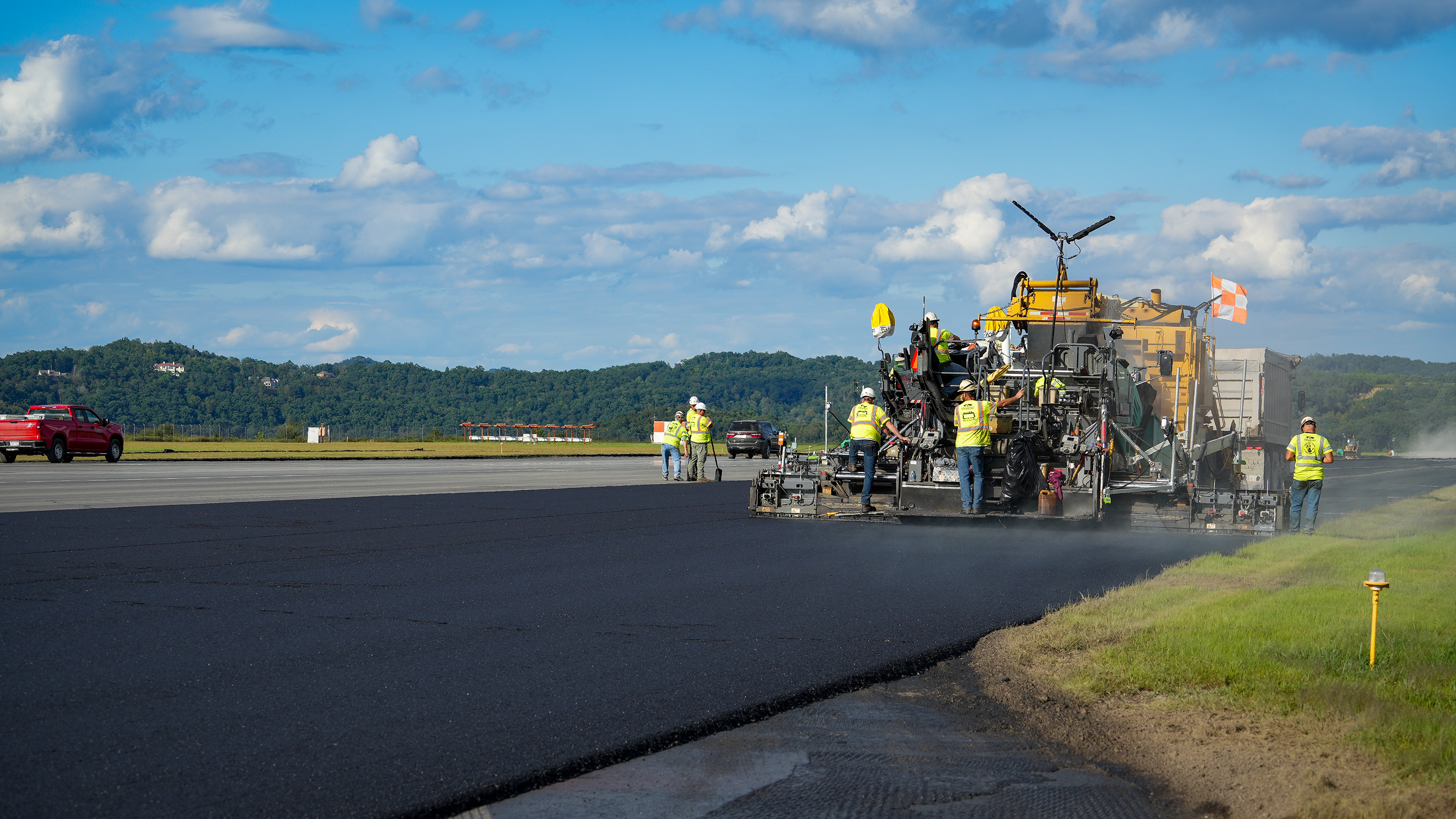
72-hour runway rehab
West Virginia Paving overcame a logistical challenge when completing a comprehensive runway rehabilitation project at West Virginia International Yeager Airport…
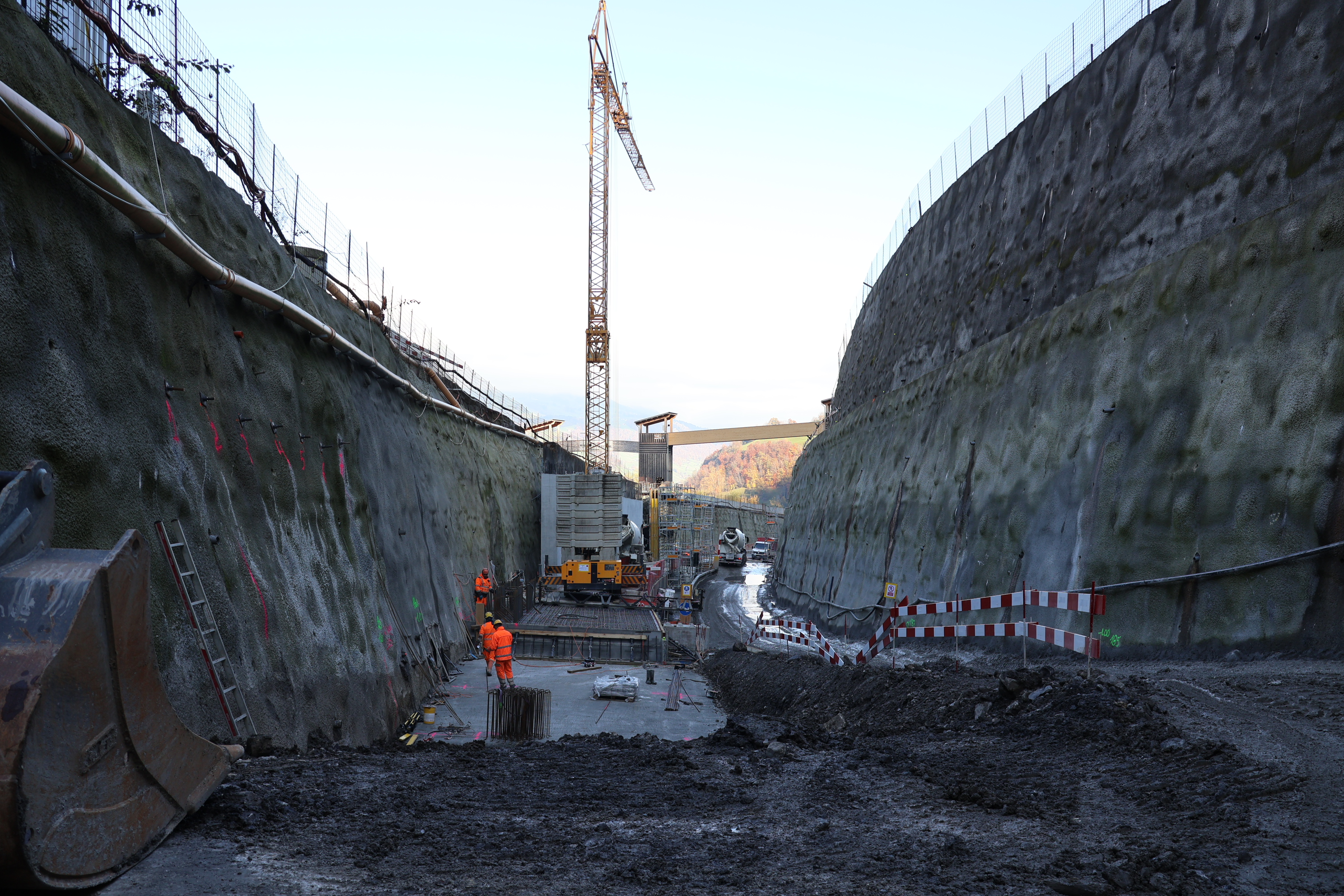
Tunneling Through a Mountain
A 2.1-km tunnel will carve through the mountains, providing an essential lifeline to shield motorists from rockfalls and treacherous snow…
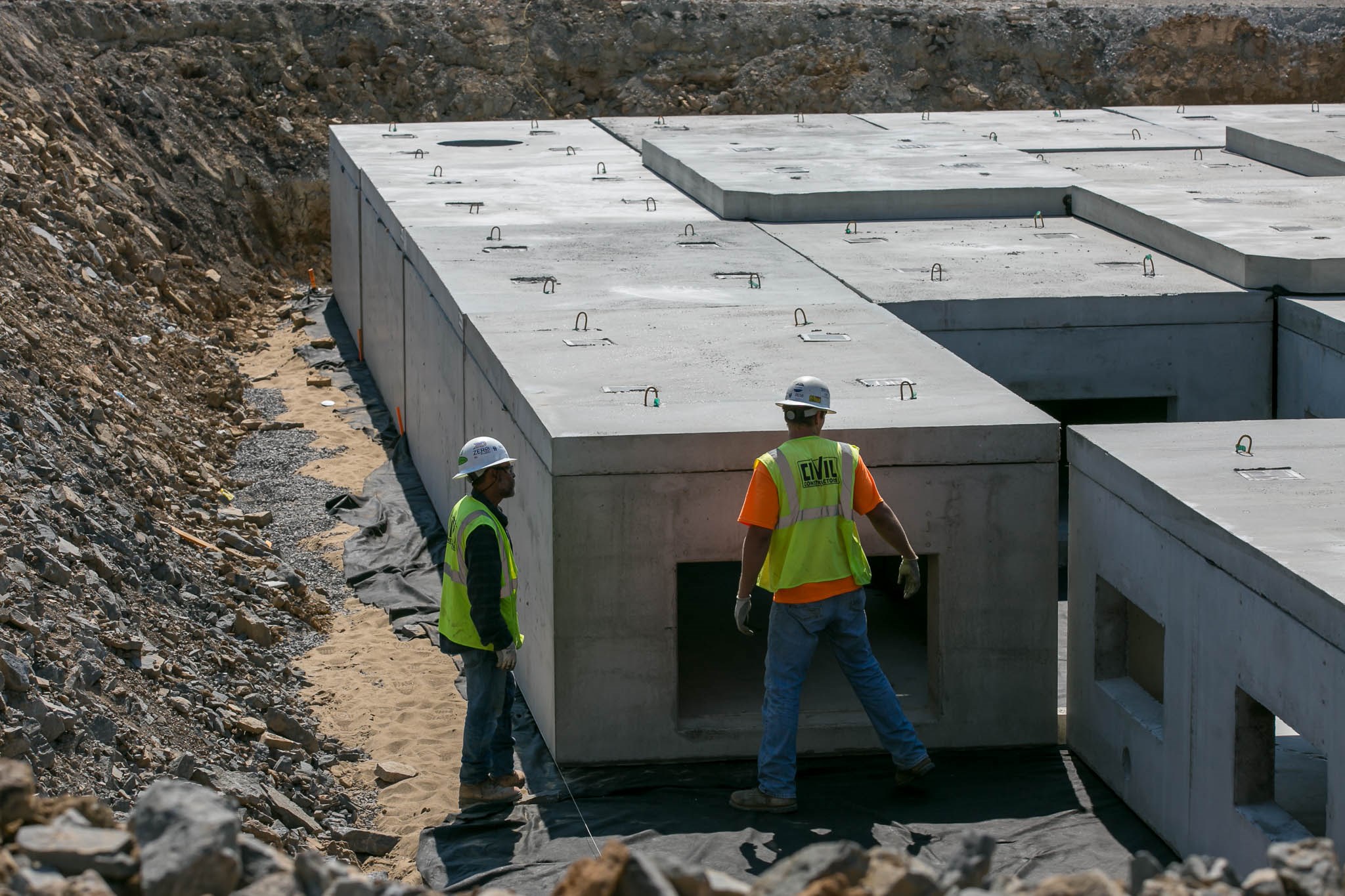
Stormwater in Tennessee
When the design plan of the Williamson County Medical Center, in Nashville, TN came face to face with several unique challenges posed by regulatory and site constraints, they turned to CRH for a smart solution…
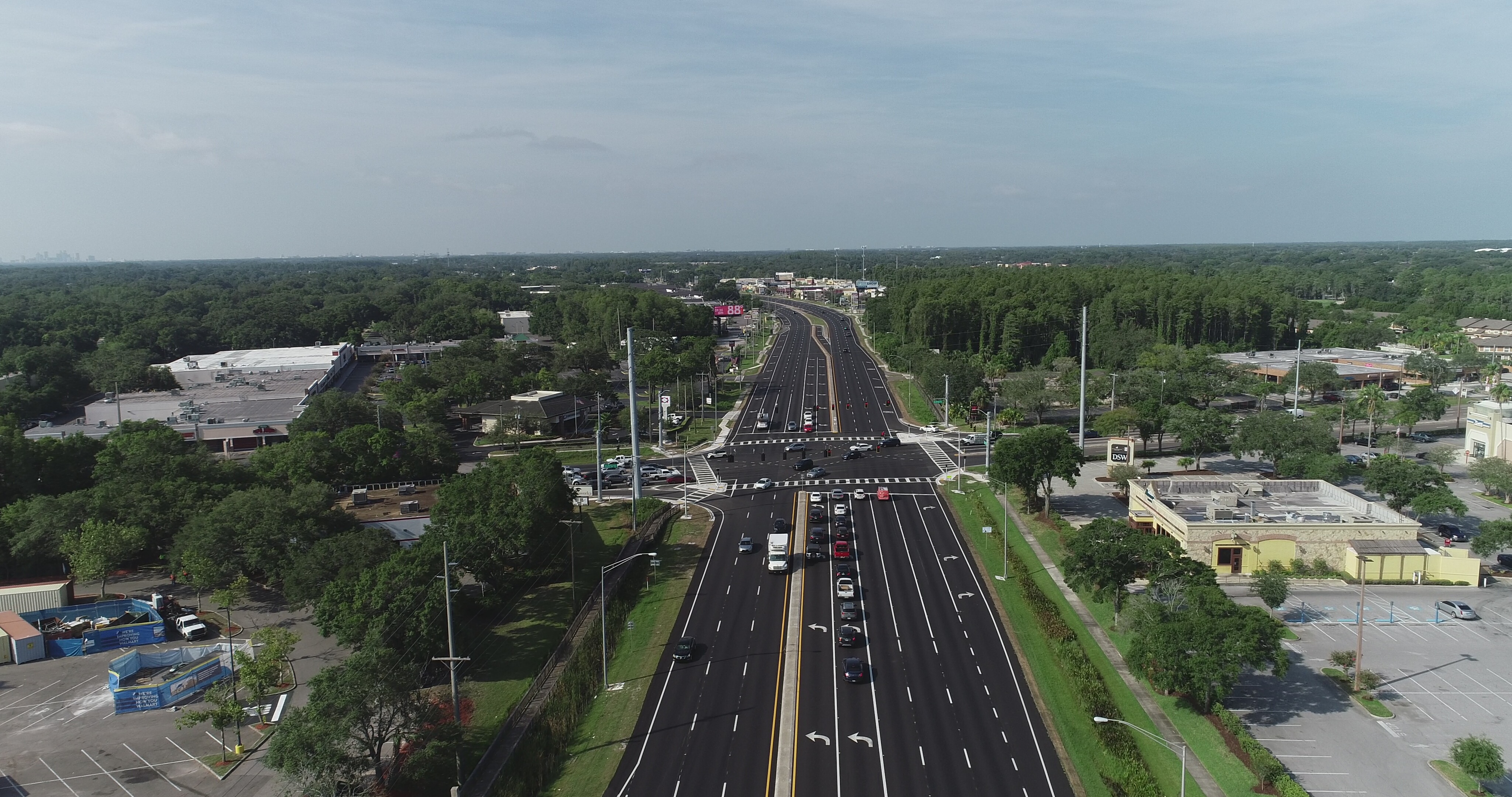
Dale Mabry Highway
Repaving the Dale Mabry Highway (State Road 597) in Tampa, Fla. presented a range of technical and logistical challenges. This busy urban corridor connects key destinations including…
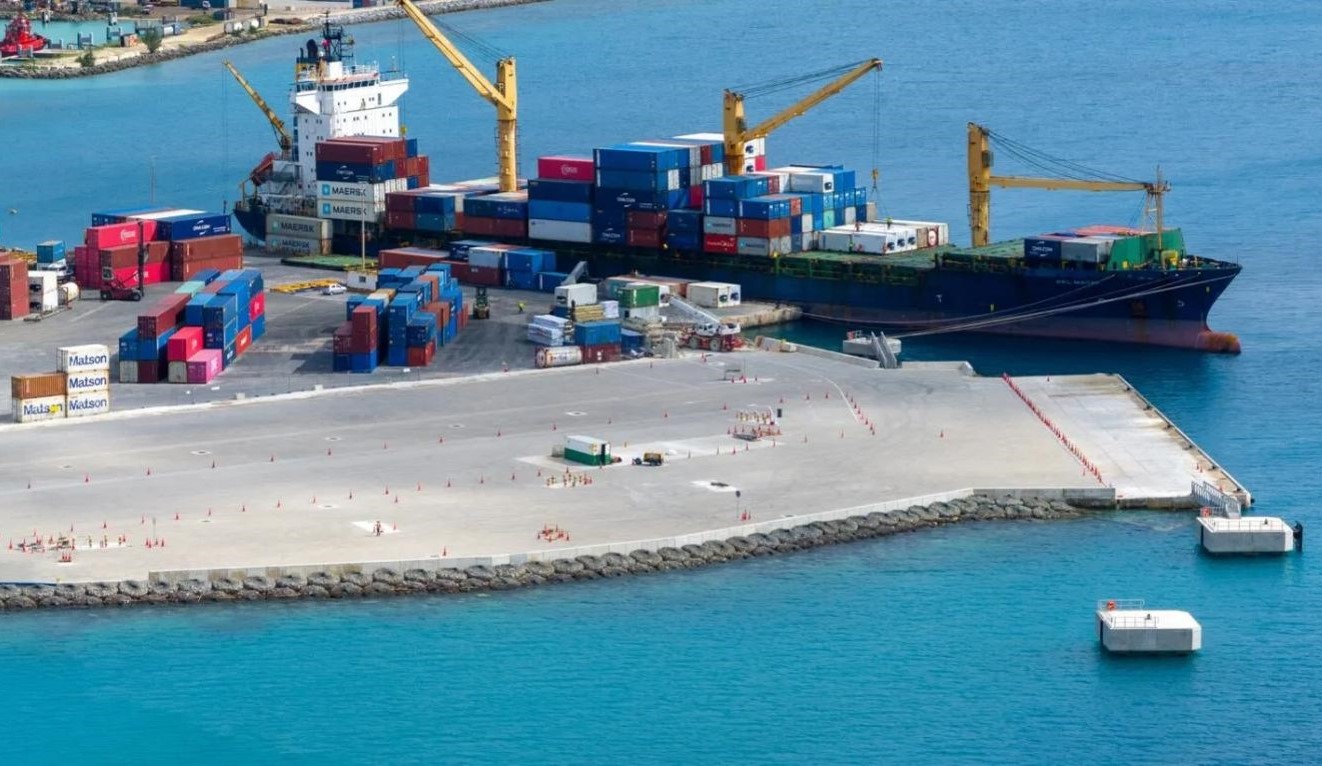
Vital harbor in tonga
The Queen Sālote International Wharf (QSIW) is a major artery for inbound cargo arriving in Tonga, but the wharf, and specifically its hardstand, was badly in need of an upgrade…
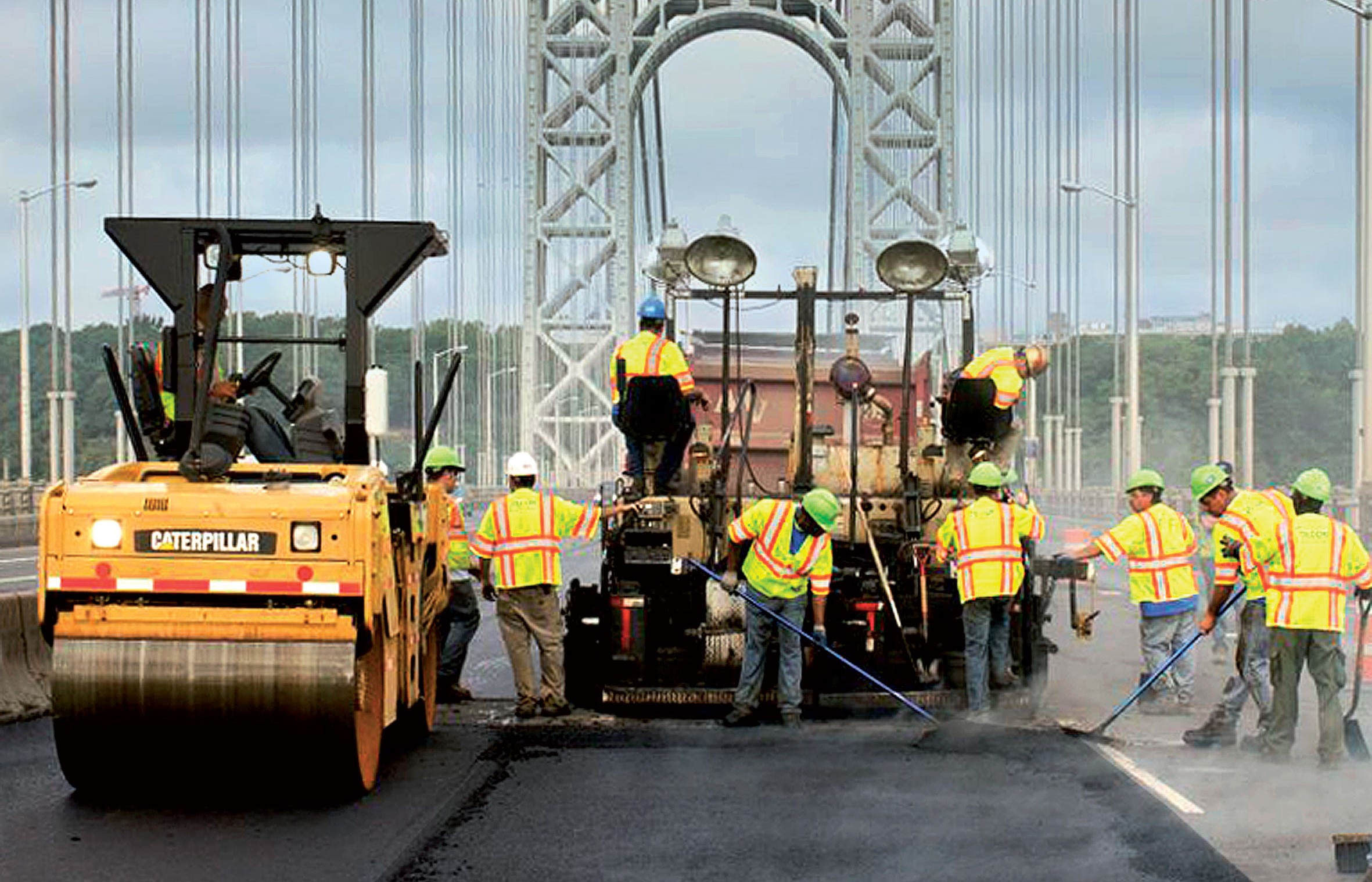
George Washington Bridge
As a reputable paver in the Tri-State area, known for its work on the Mario Cuomo Bridge, Tilcon NY was awarded the contract to resurface G.W. Bridge’s bridge deck…
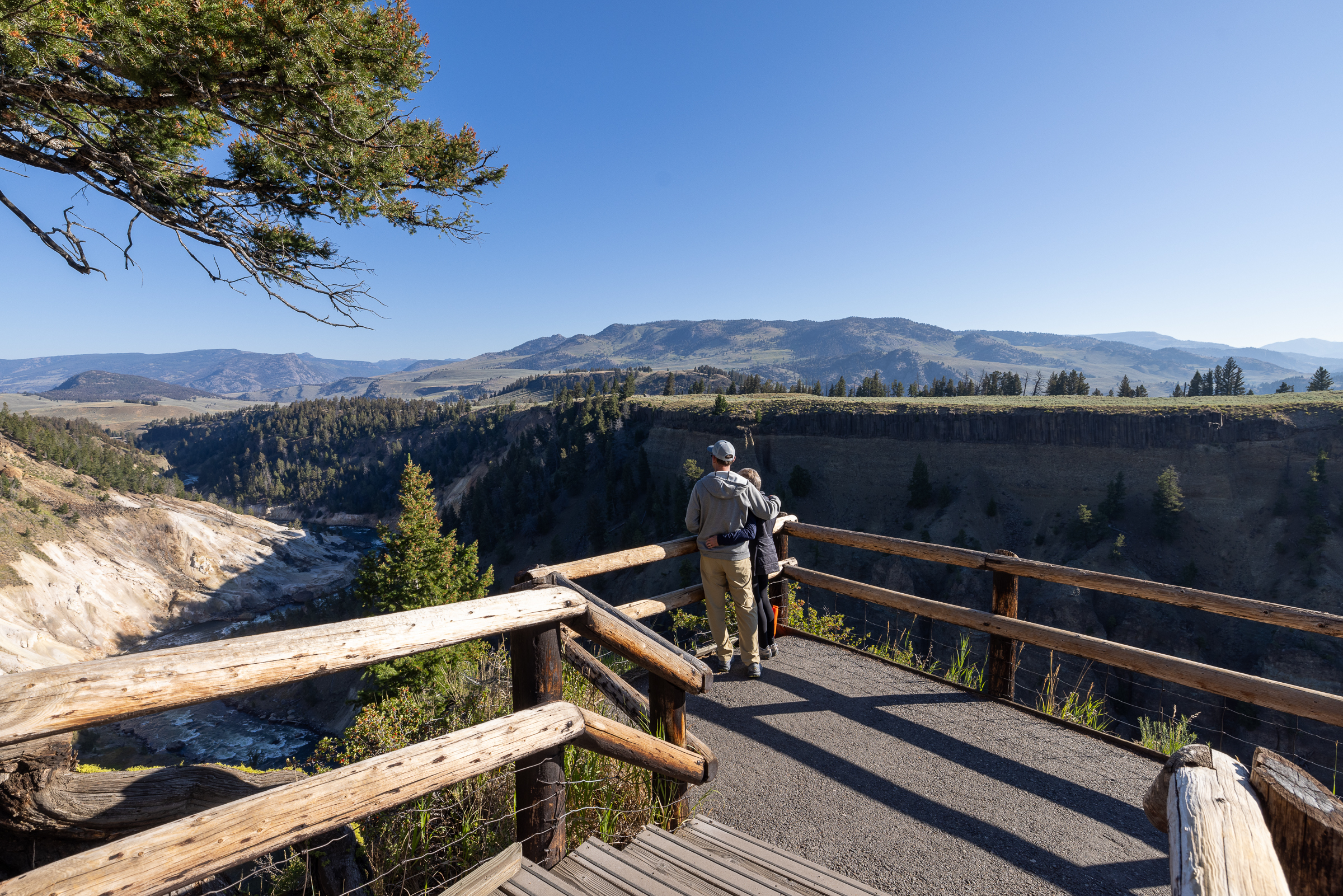
Yellowstone
HK Contractors (HK), A CRH Company, has completed many successful projects within the park, enabling sightseers to enjoy the vast landscape safely, securely and sustainably…
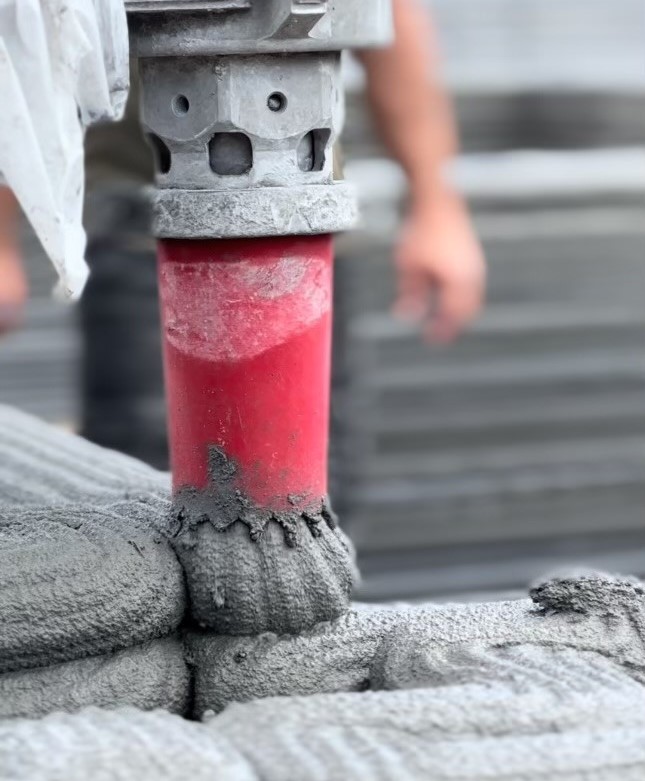
3D Printing: A Durable, Sustainable Solution to the Housing Market
CRH is developing the use of 3D concrete printing (3DCP), a revolutionary construction method by which buildings are ‘printed’ from a plan, one layer of concrete at a time…
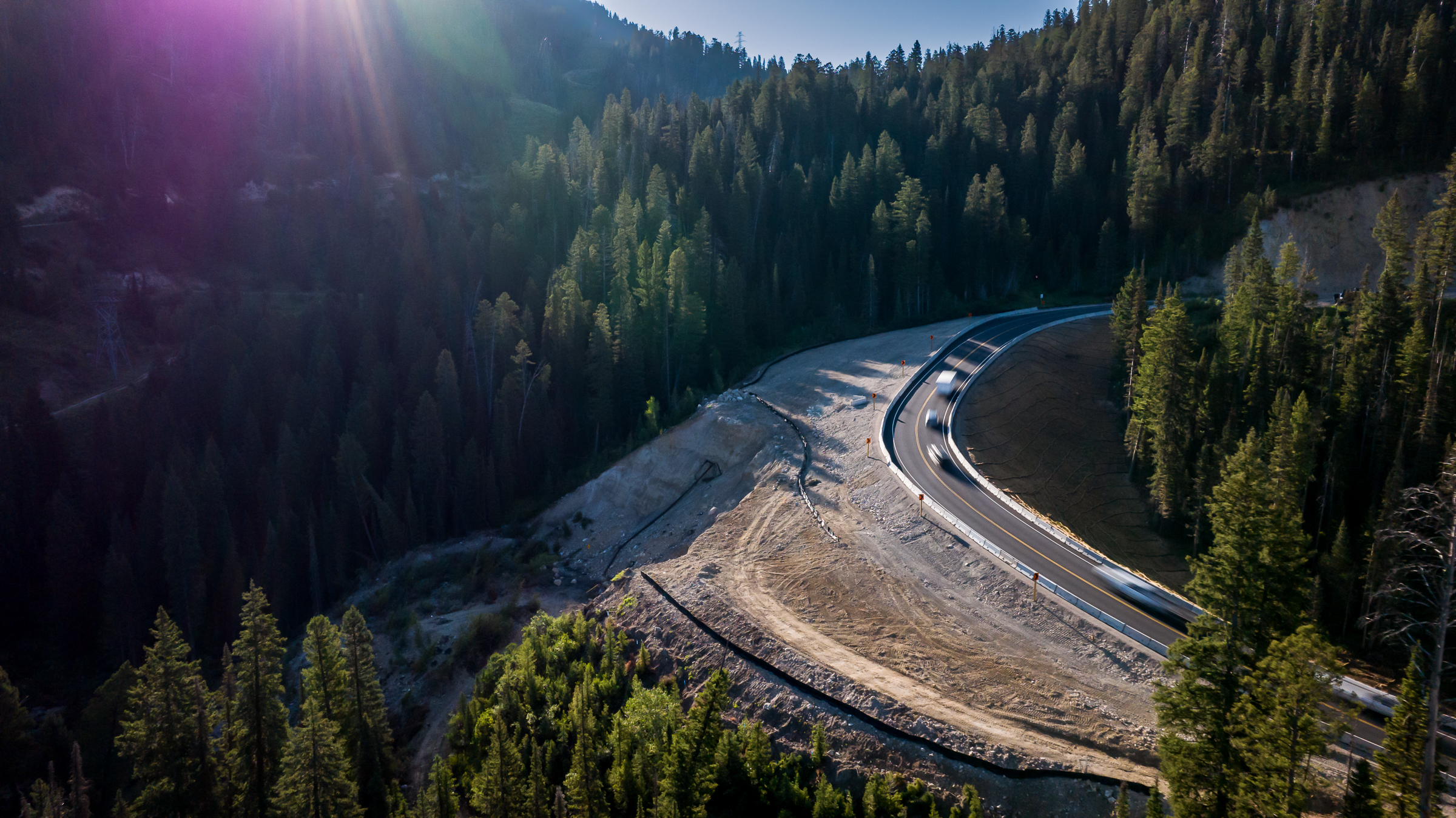
Teton Pass
Following a catastrophic landslide at Teton Pass, CRH companies collaborated to build a critical temporary detour under an almost impossible two-week deadline…