
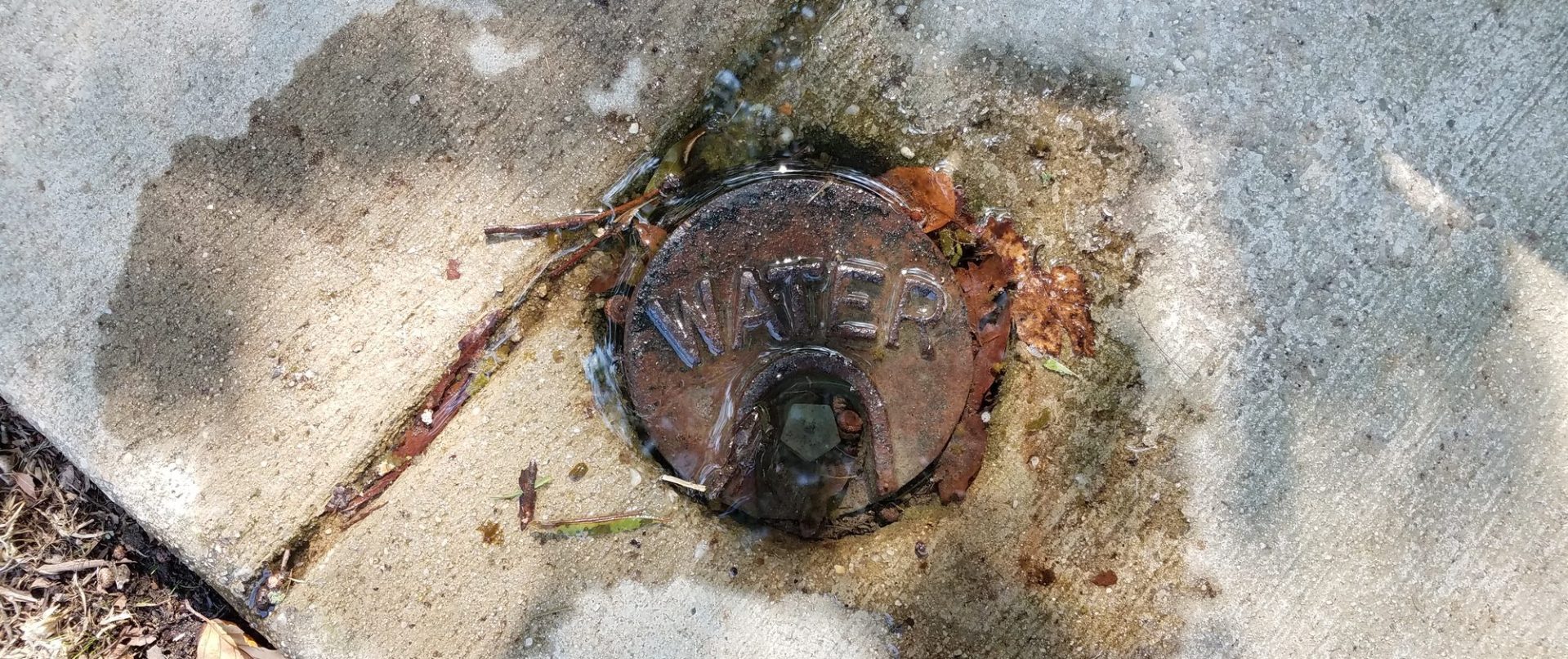
Building Drought Resilience with Water Infrastructure
CivilSense™ real-time leak detection technology helped a historic Pennsylvania city address its aging water infrastructure, tackle non-revenue water and build drought resilience.
Project Snapshot
Division: CRH Americas
Location: Pennsylvania, United States
Product Type(s): Infrastructure Products, Water
Situation: Aging Infrastructure Leading to Water Loss
A small, historic Pennsylvania city was struggling with non-revenue water. With a population of just under 60,000 people, the city’s two drinking water treatment facilities provide clean water to local residents as well as more than 50,000 other people in the wider area, sourcing water from nearby rivers and distributing it via a network comprising over 45,000 taps.
The city has a history that stretches back to the 1700s. Like many communities across the country, its water infrastructure is similarly historic, and the city was suffering from an estimated non-revenue water loss of over 28%.
City leaders wanted to reduce withdrawals from nearby rivers and build drought resilience. Having traditionally relied on visual inspections and routine maintenance activities, they wanted to assess the effectiveness of new technologies.
Solution: Digital Technology to Improve Leak Detection
The city identified CRH Company, Oldcastle Infrastructure’s CivilSense™ as a technology with the potential to improve its leak detection effectiveness and efficiency, and requested a pilot of the CivilSense™ Direct real-time leak detection service.
The Oldcastle Infrastructure team worked with the city to develop a project to demonstrate the effectiveness of the technology. The pilot involved deploying temporary CivilSense™ sensors across 50 mi (80 km) of mainline piping across the center of the city, AI analysis of gathered acoustic data, and a report pinpointing the location of any leaks detected.
Outcome: Detected Leaks Equating to 94 Million Gallons (356,000 m3) of Water Loss Each Year
The Oldcastle Infrastructure team deployed 280 sensors in 625 sessions across the 50 miles of network, generating 52 distinct waypoints.
AI analysis determined that 13 of these waypoints were leaks: seven small, five medium, and one large. The leaks were detected on mains, at client meters and in assets such as valves and hydrants; using American Water Works Association (AWWA) nominal values, the total water loss from these leaks was estimated at 180 gpm (11.4 L/s) of water loss, which equates to over 94 million gallons per year (356,000 m3 per year).
Explore more projects
Next-Generation Asphalt Technology
Roadstone, a CRH Company, has developed an innovative, scalable solution that sets a new benchmark in high-performance roads. A groundbreaking asphalt mix featuring…
72-hour runway rehab
West Virginia Paving overcame a logistical challenge when completing a comprehensive runway rehabilitation project at West Virginia International Yeager Airport…
Tunneling Through a Mountain
A 2.1-km tunnel will carve through the mountains, providing an essential lifeline to shield motorists from rockfalls and treacherous snow…
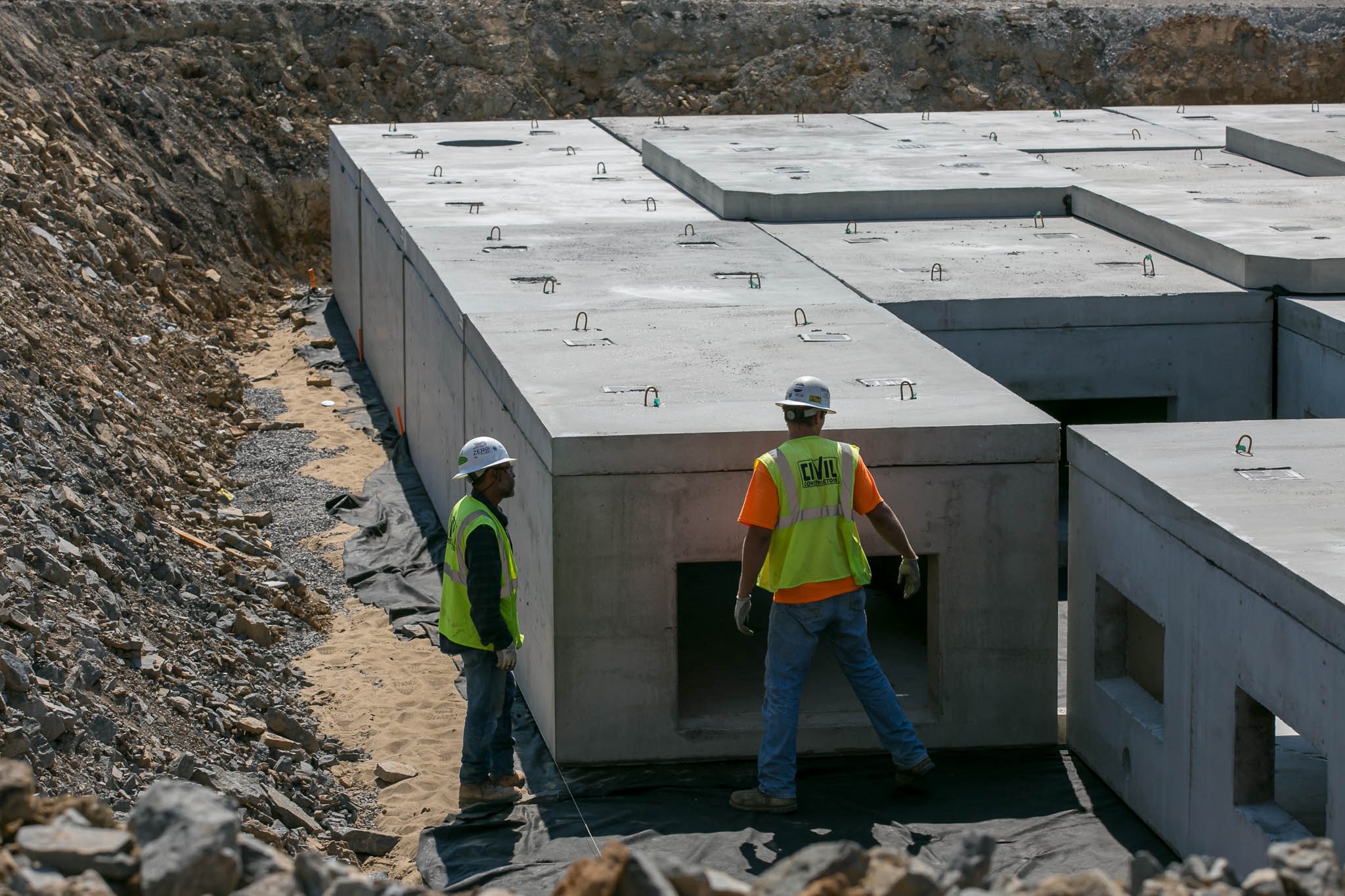
Stormwater in Tennessee
When the design plan of the Williamson County Medical Center, in Nashville, TN came face to face with several unique challenges posed by regulatory and site constraints, they turned to CRH for a smart solution…
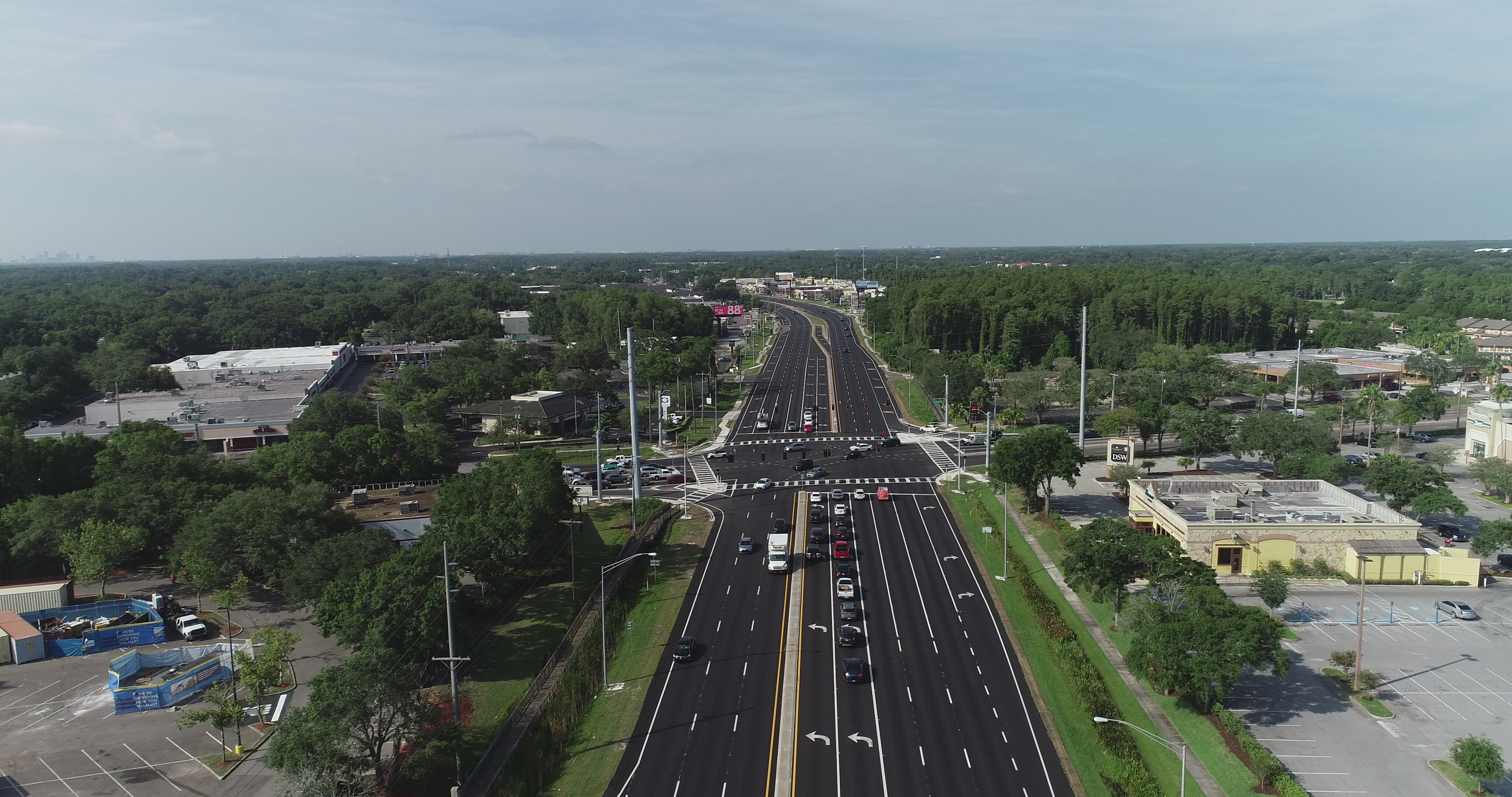
Dale Mabry Highway
Repaving the Dale Mabry Highway (State Road 597) in Tampa, Fla. presented a range of technical and logistical challenges. This busy urban corridor connects key destinations including…
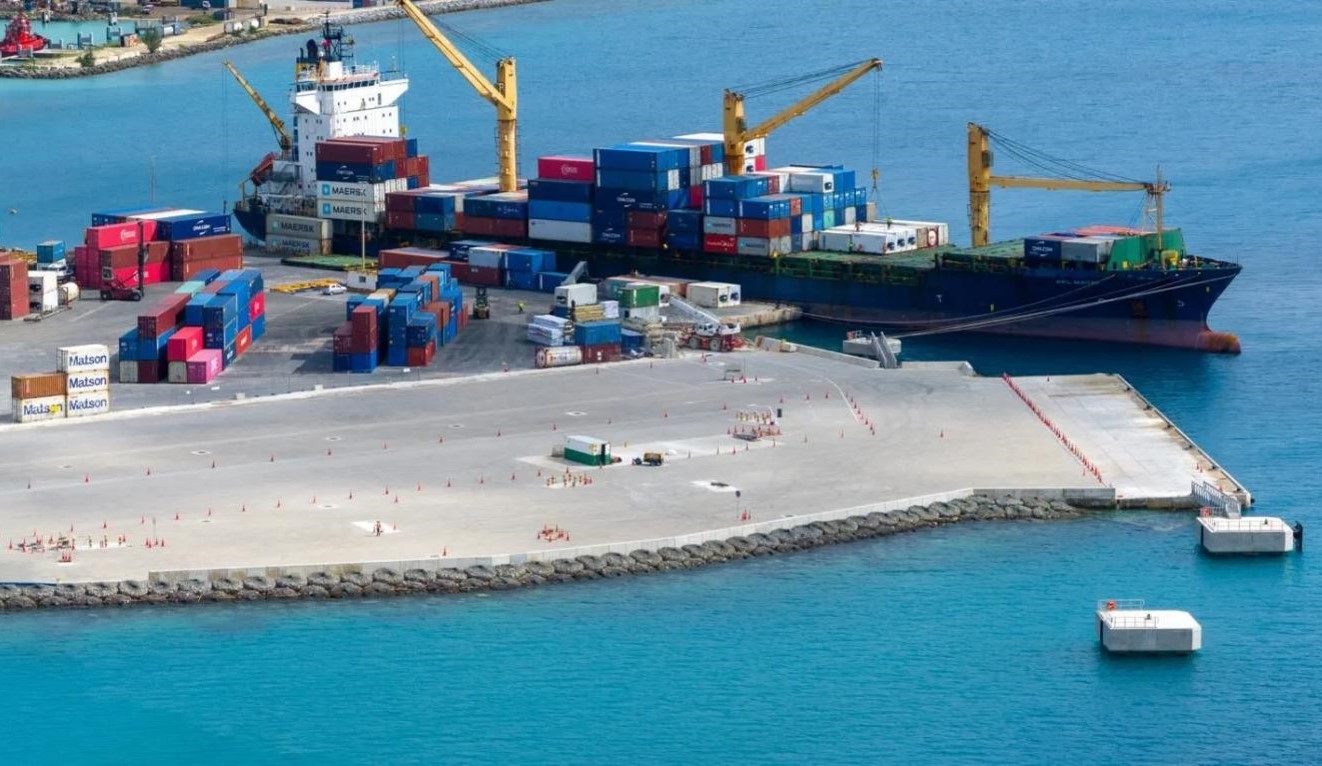
Vital harbor in tonga
The Queen Sālote International Wharf (QSIW) is a major artery for inbound cargo arriving in Tonga, but the wharf, and specifically its hardstand, was badly in need of an upgrade…
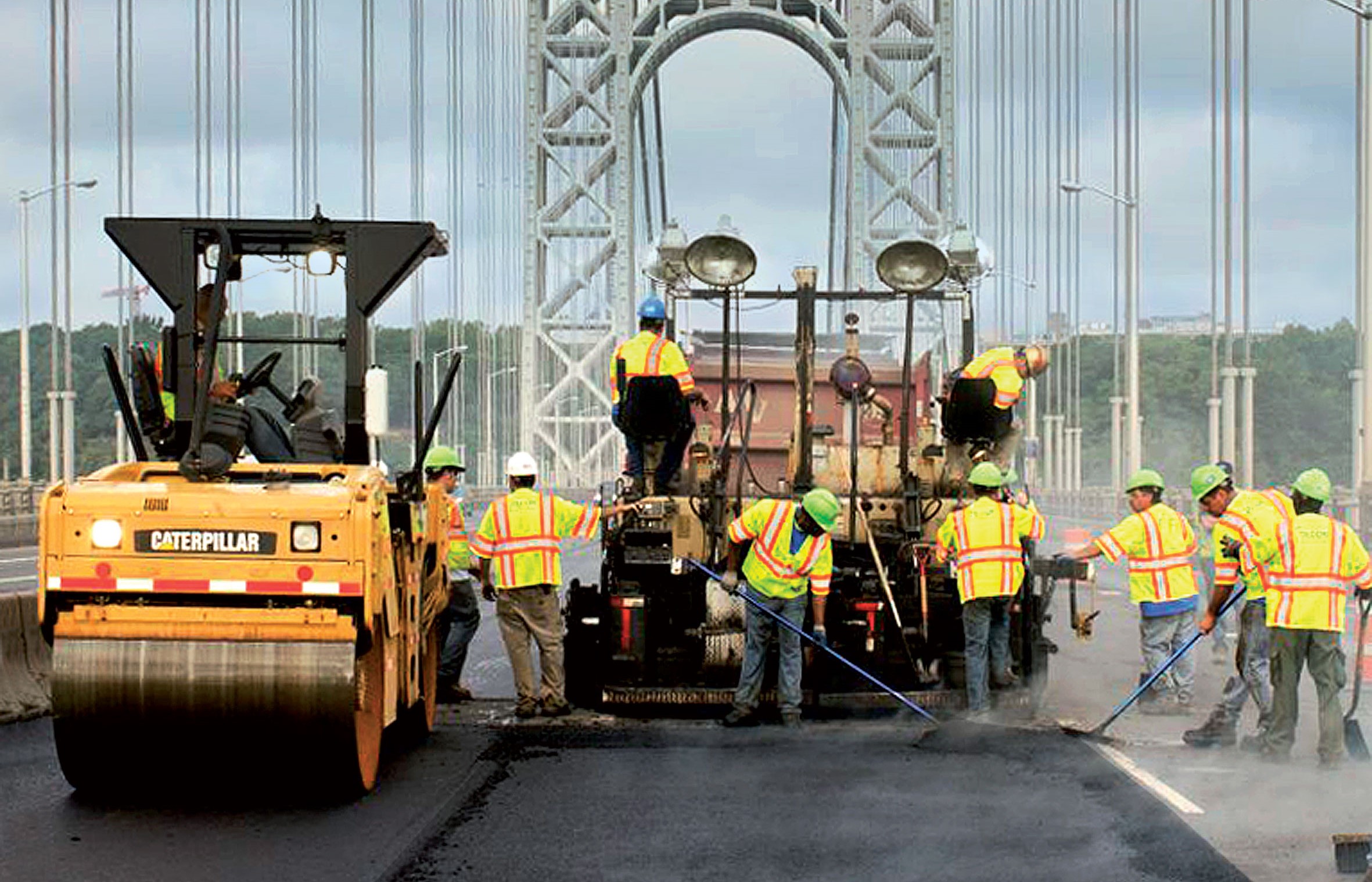
George Washington Bridge
As a reputable paver in the Tri-State area, known for its work on the Mario Cuomo Bridge, Tilcon NY was awarded the contract to resurface G.W. Bridge’s bridge deck…
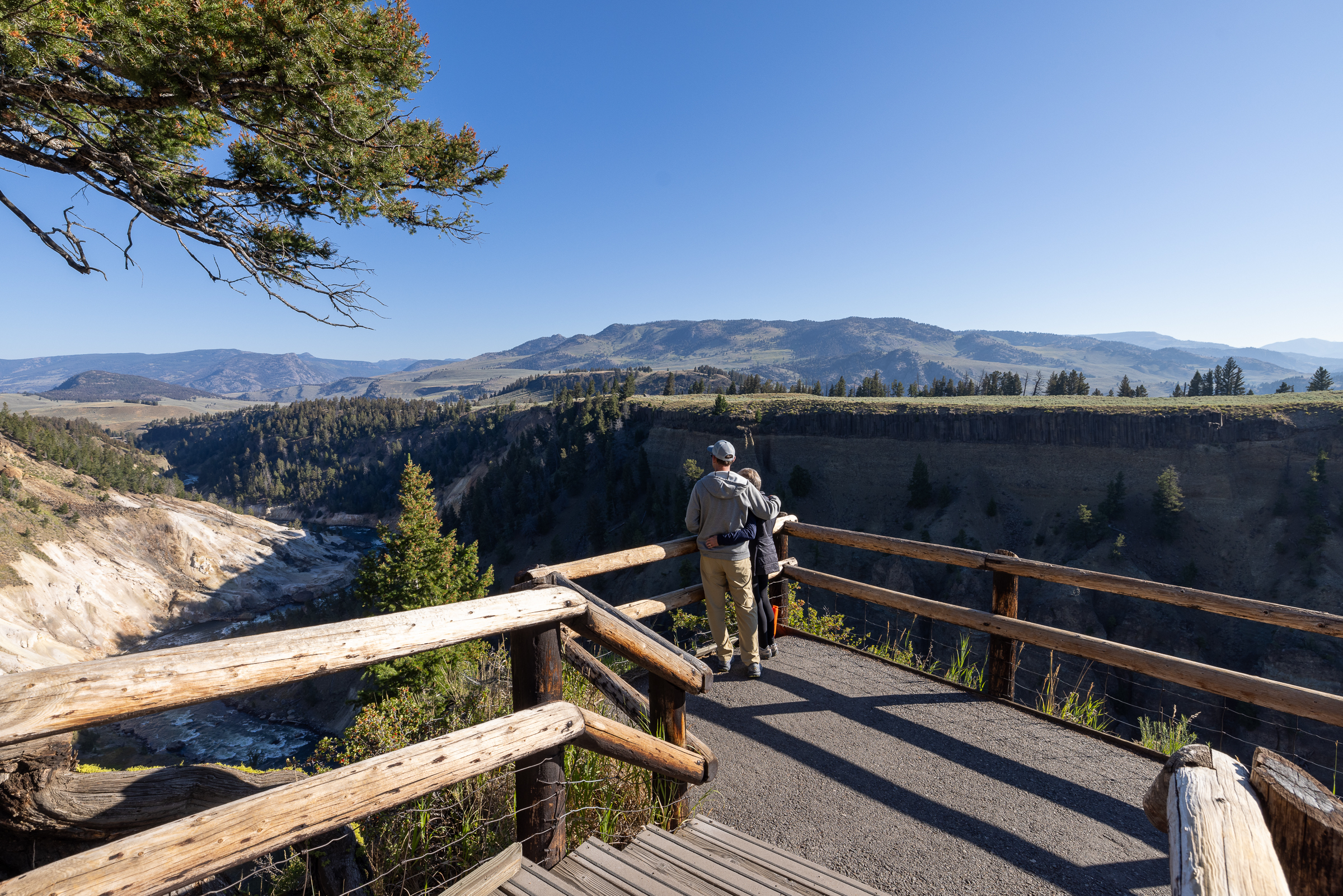
Yellowstone
HK Contractors (HK), A CRH Company, has completed many successful projects within the park, enabling sightseers to enjoy the vast landscape safely, securely and sustainably…
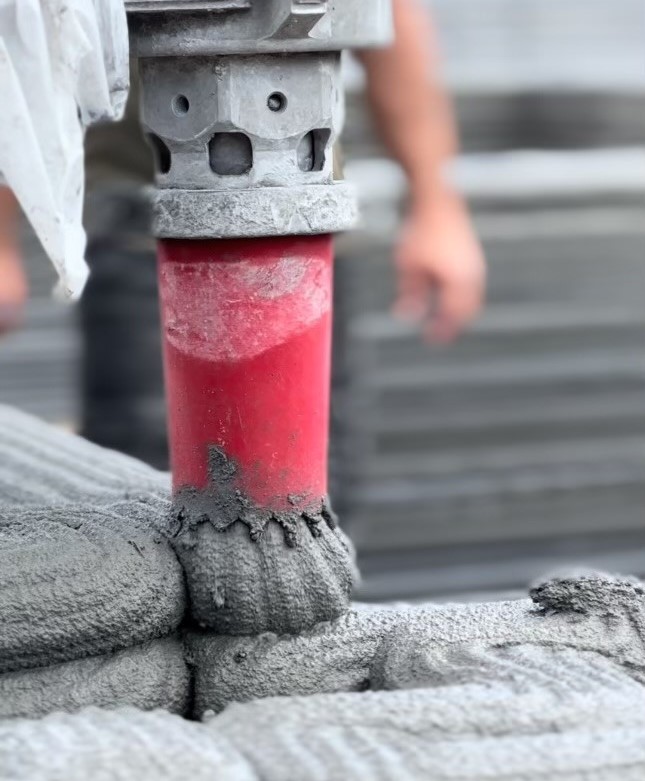
3D Printing: A Durable, Sustainable Solution to the Housing Market
CRH is developing the use of 3D concrete printing (3DCP), a revolutionary construction method by which buildings are ‘printed’ from a plan, one layer of concrete at a time…
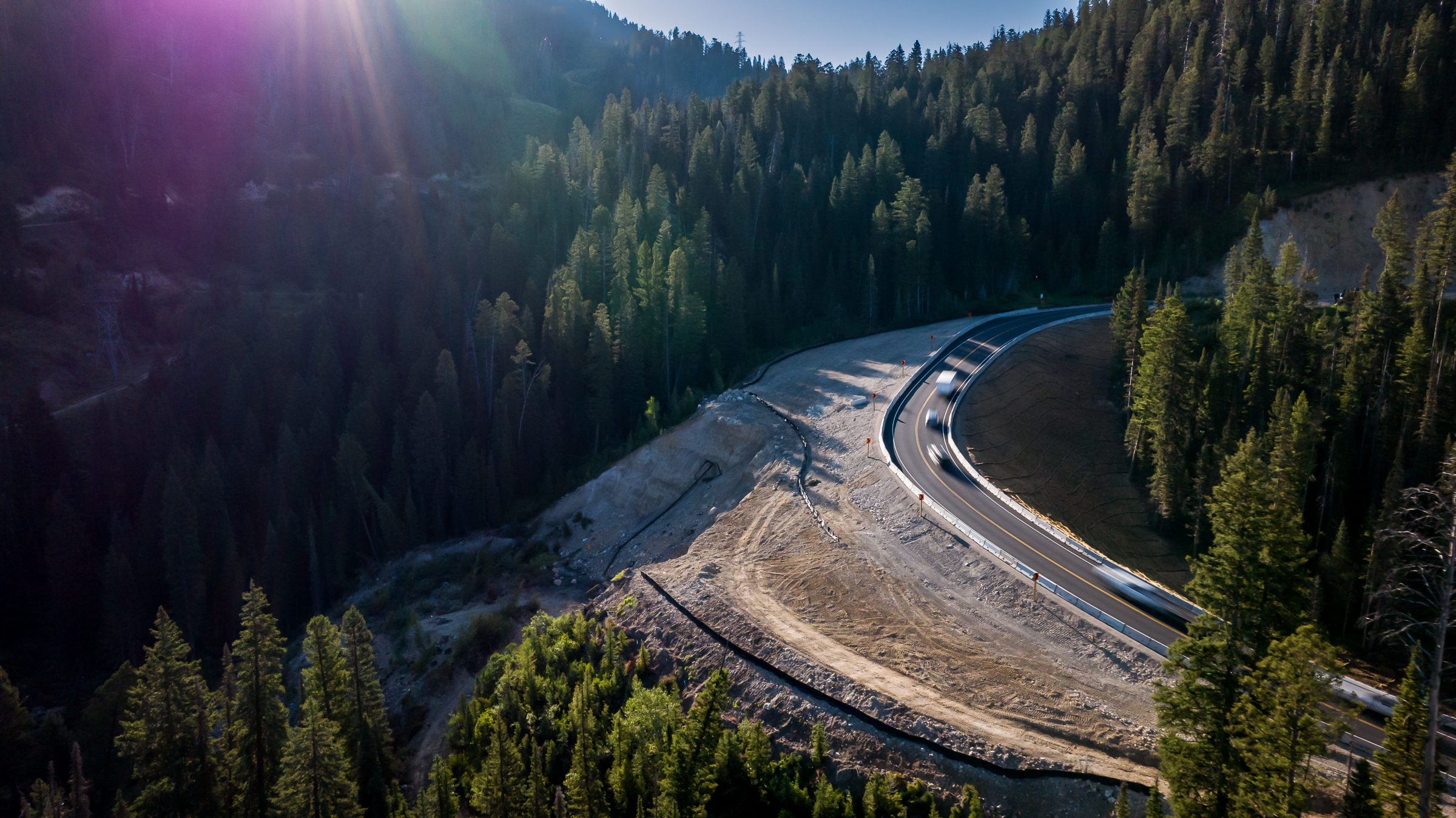
Teton Pass
Following a catastrophic landslide at Teton Pass, CRH companies collaborated to build a critical temporary detour under an almost impossible two-week deadline…