

A Decades-Long Investment Transforming Mobility in Appalachia
Through technical innovation, complex mountain construction and collaboration across decades, CRH companies helped deliver a landmark transportation corridor connecting Eastern Kentucky and Southwest Virginia.
Project Snapshot
Division: CRH Americas
Location: Kentucky, United States
Product Type(s): Asphalt, Infrastructure Products, Paving & Construction
With the approved design submitted back in 1999, the soon to be completed U.S. 460 Relocation Project marks a major milestone for the Appalachian Development Highway System and demonstrates that resilient transportation systems don’t happen overnight. Traversing some of the most challenging topography in the eastern United States, the new 16.7-mile corridor creates a safer, faster connection between Pikeville, Kentucky, and the Virginia state line while supporting long-term economic growth throughout the region. The Kentucky corridor of the project officially opened to traffic in October 2025. A final two-mile segment of the highway remains under construction in Virginia, which will complete the entire stretch of roadway, scheduled for completion in late 2027.
Building modern transportation through Appalachian territory
Constructing a new four-lane highway through the mountains of Eastern Kentucky required exceptional engineering, extensive earthmoving operations and innovative construction solutions.
The corridor crosses steep, environmentally sensitive terrain and includes eleven bridges, including the Pond Creek twin bridges, among the tallest bridges in Kentucky at approximately 326 feet above the valley floor. The project also features a twin bridge structure spanning more than 2,600 feet across the CSX Railroad and Russell Fork River, creating a critical link through a challenging section of the route.
Replacing a narrow and winding mountain route with a modern four-lane corridor enhances safety, improves mobility and expands access to healthcare, education, recreation and employment opportunities throughout Eastern Kentucky and Southwest Virginia. The corridor also shortens travel distances between Pikeville and Grundy, Virginia, supporting regional connectivity and economic activity.
Collaboration between CRH’s connected business
CRH Company, Mountain Enterprises played a key role in the project’s delivery, placing approximately 250,000 tons of asphalt across the corridor and completing the final resurfacing of the entire Kentucky route. CRH Company, Oldcastle Infrastructure supplied precast concrete products that supported construction throughout the project. Mountain Aggregates, A CRH Company, supplied all of the stone for the project, including the ready mixed concrete for structures used throughout the corridor. This included over two miles of concrete barrier wall, and over 52,000 tons of aggregate placed for drainage and erosion control.
Engineering and construction innovation overcomes extraordinary challenges
Building a modern transportation corridor through the Appalachian Mountains required solutions tailored to the region’s unique geography. Advanced construction techniques included incremental launching of steel plate girders, which enabled bridge construction in difficult-to-access locations while minimizing environmental impacts. Innovative interchange configurations reduced the need for extensive slope cuts, improved roadway safety and helped preserve natural drainage patterns throughout the corridor.
The scale of earthwork was equally impressive. More than 65 million cubic yards of excavation were strategically balanced across the project, positioning the region for future industrial, commercial and residential growth. This reduced material haul distances and created more than 300 acres of developable industrial and business sites from excess material. The project also required extensive coordination to address active and abandoned mining operations, existing natural gas infrastructure, and utility relocations.
Beyond transportation improvements, the project generated substantial economic development opportunities. State officials have described the project as one of the largest infrastructure investments in Eastern Kentucky’s history and a catalyst for long-term economic development across Appalachia.
Recognized nationally for its exceptional engineering achievement, the project earned a prestigious 2026 American Council of Engineering Companies (ACEC) Grand Award, placing it among only eight projects nationwide selected for one of the organization’s highest levels of recognition. Judges cited the project’s innovation, complexity, technical excellence and positive social and economic impact.
Explore more projects
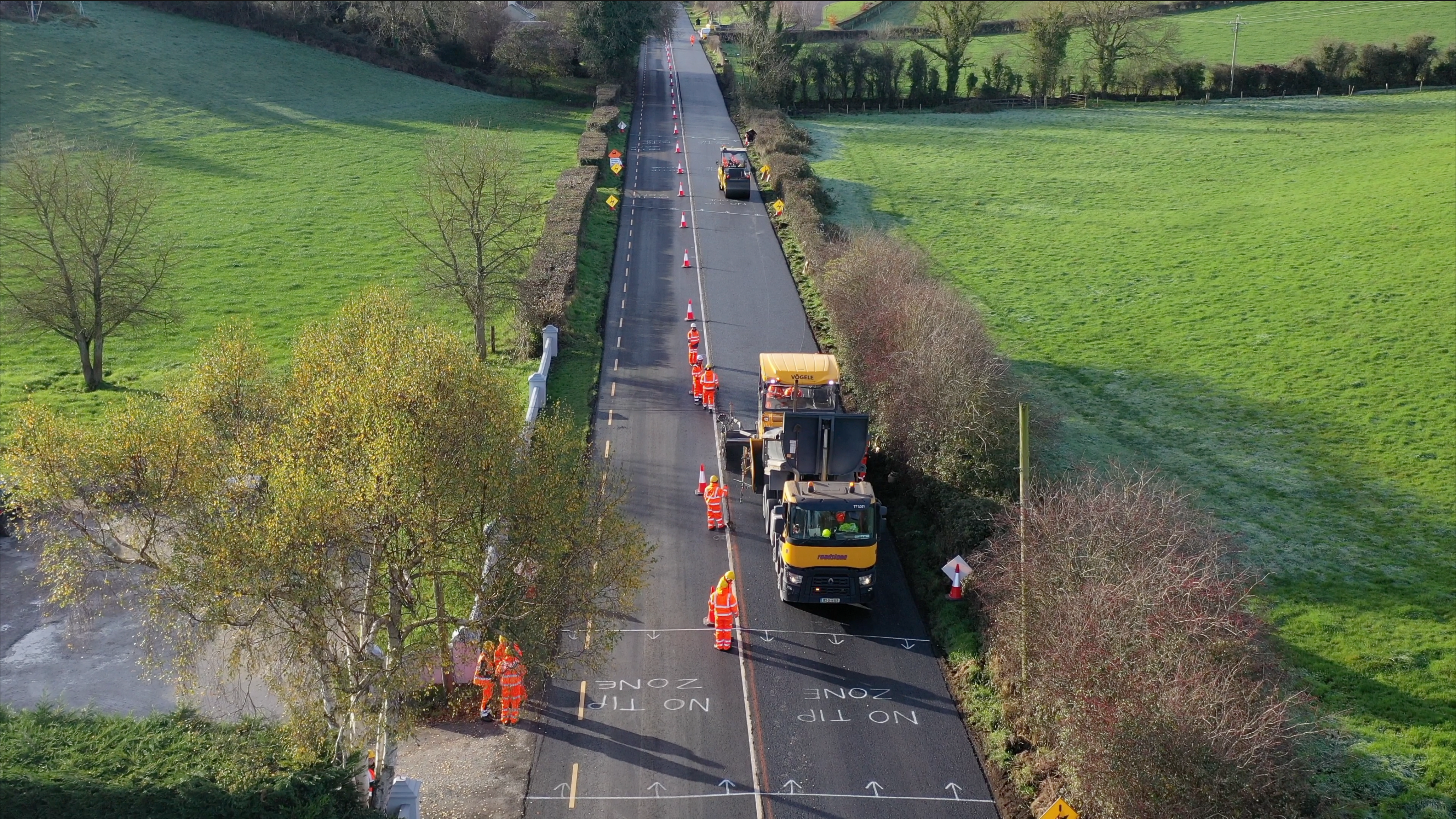
Next-Generation Asphalt Technology
Roadstone, a CRH Company, has developed an innovative, scalable solution that sets a new benchmark in high-performance roads. A groundbreaking asphalt mix featuring…
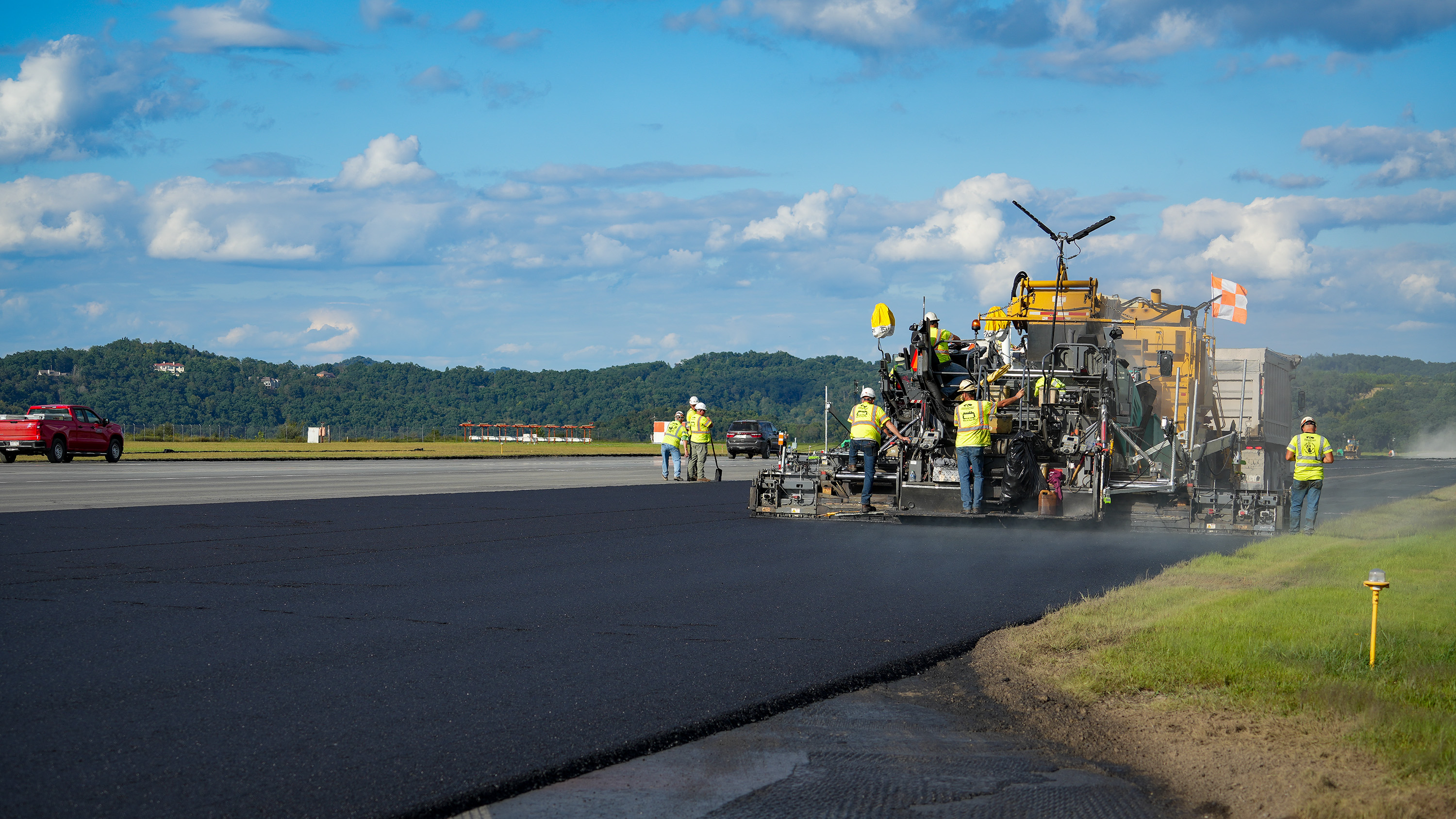
72-hour runway rehab
West Virginia Paving overcame a logistical challenge when completing a comprehensive runway rehabilitation project at West Virginia International Yeager Airport…
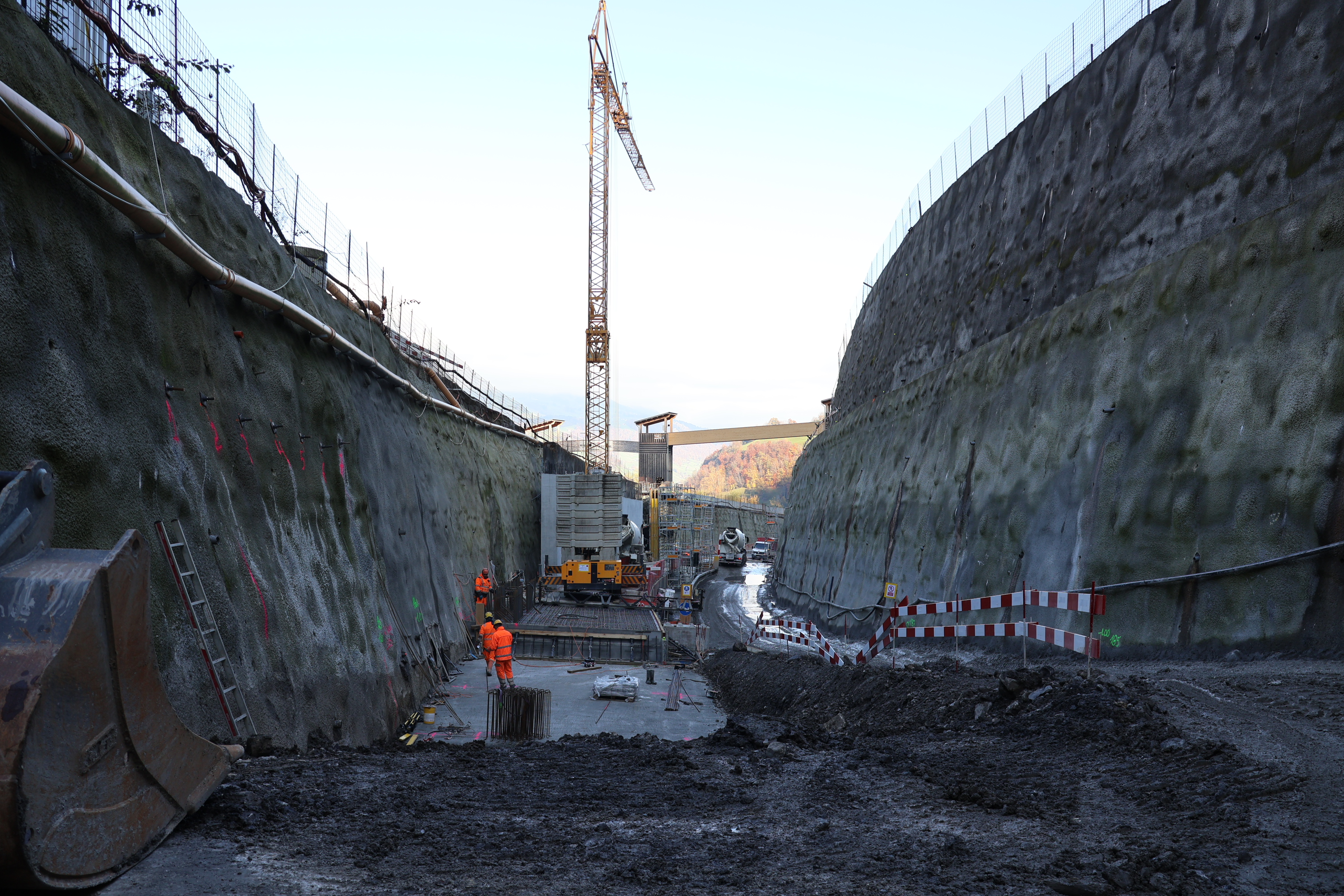
Tunneling Through a Mountain
A 2.1-km tunnel will carve through the mountains, providing an essential lifeline to shield motorists from rockfalls and treacherous snow…
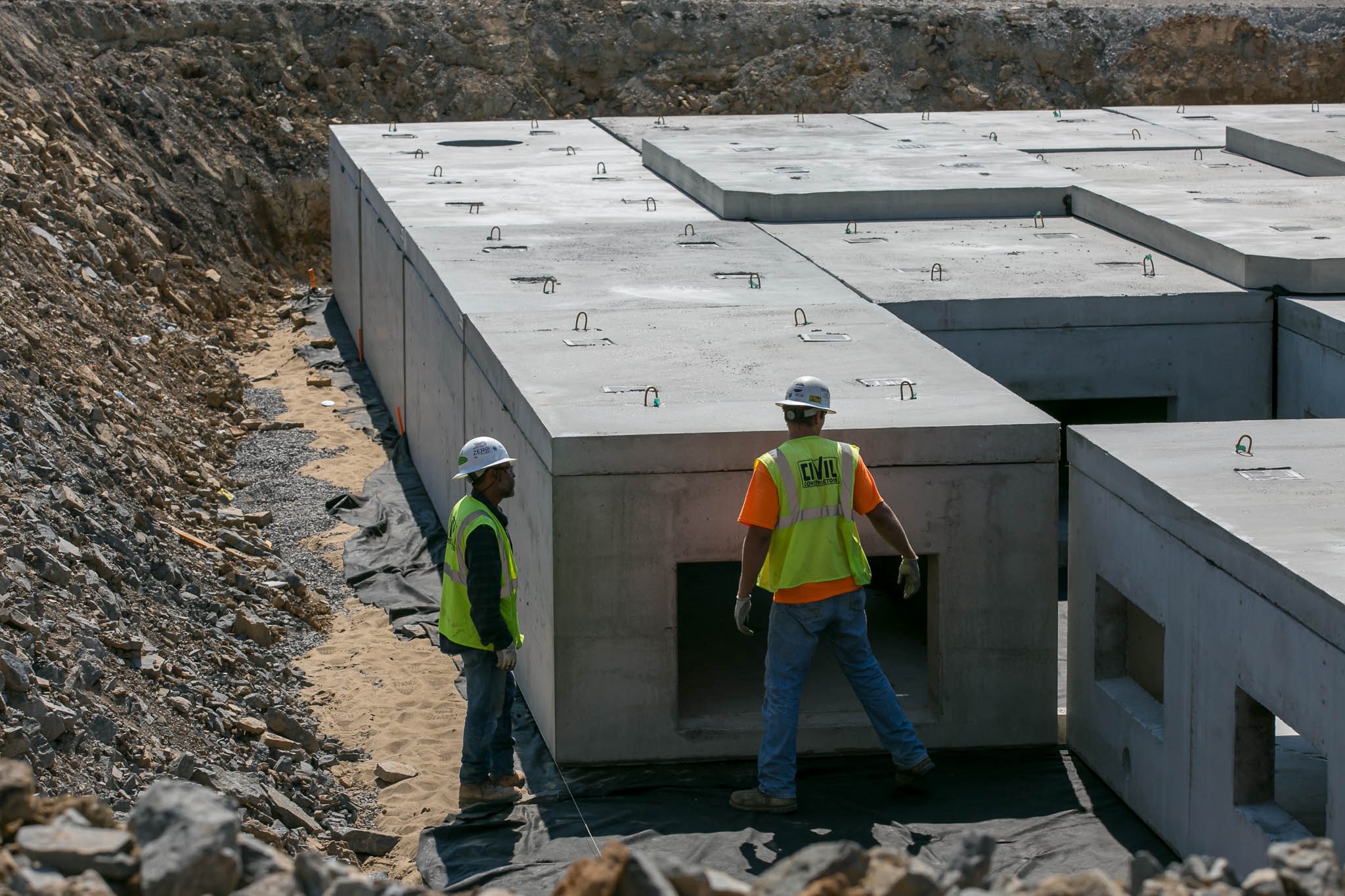
Stormwater in Tennessee
When the design plan of the Williamson County Medical Center, in Nashville, TN came face to face with several unique challenges posed by regulatory and site constraints, they turned to CRH for a smart solution…
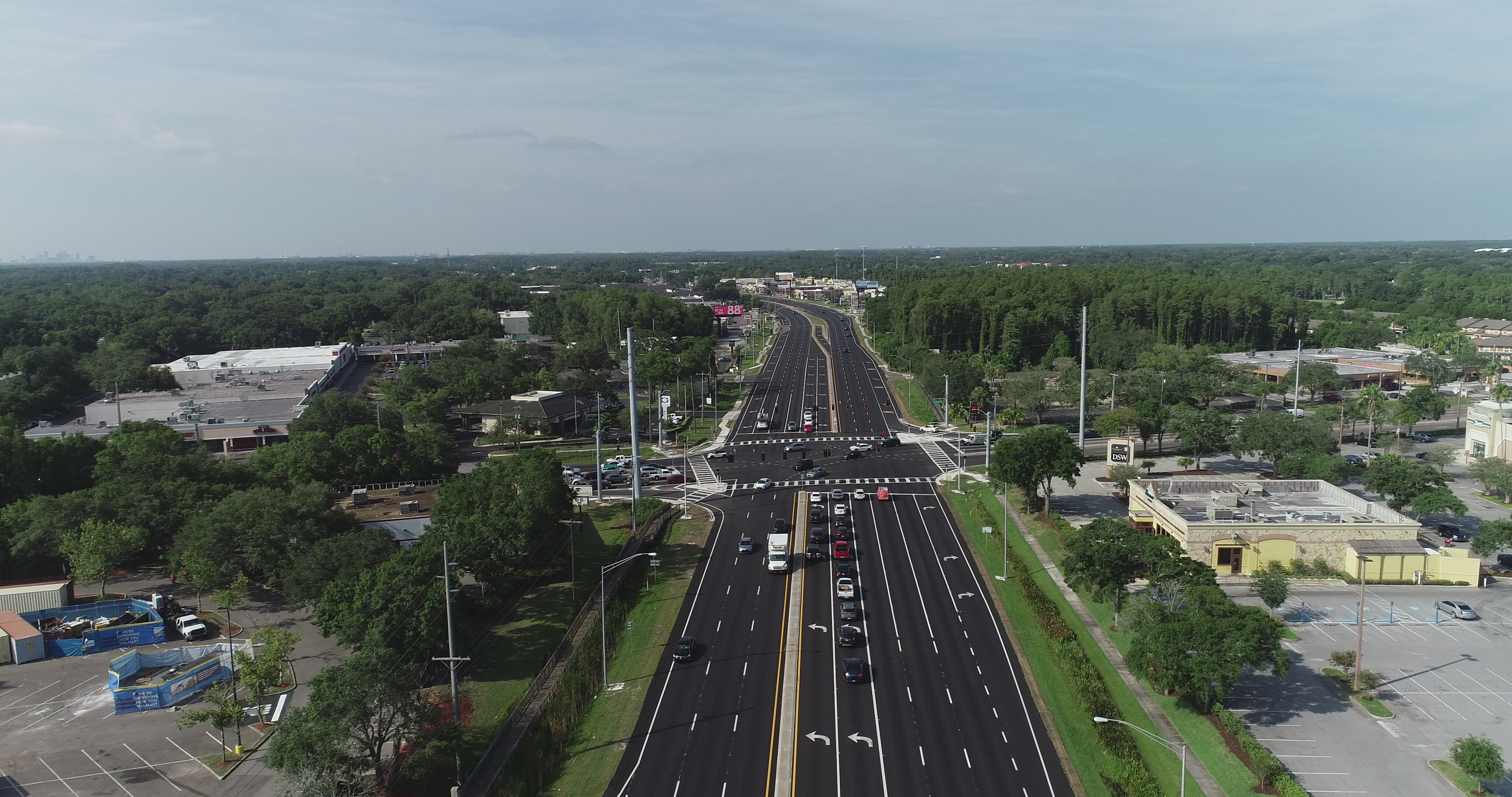
Dale Mabry Highway
Repaving the Dale Mabry Highway (State Road 597) in Tampa, Fla. presented a range of technical and logistical challenges. This busy urban corridor connects key destinations including…

Vital harbor in tonga
The Queen Sālote International Wharf (QSIW) is a major artery for inbound cargo arriving in Tonga, but the wharf, and specifically its hardstand, was badly in need of an upgrade…
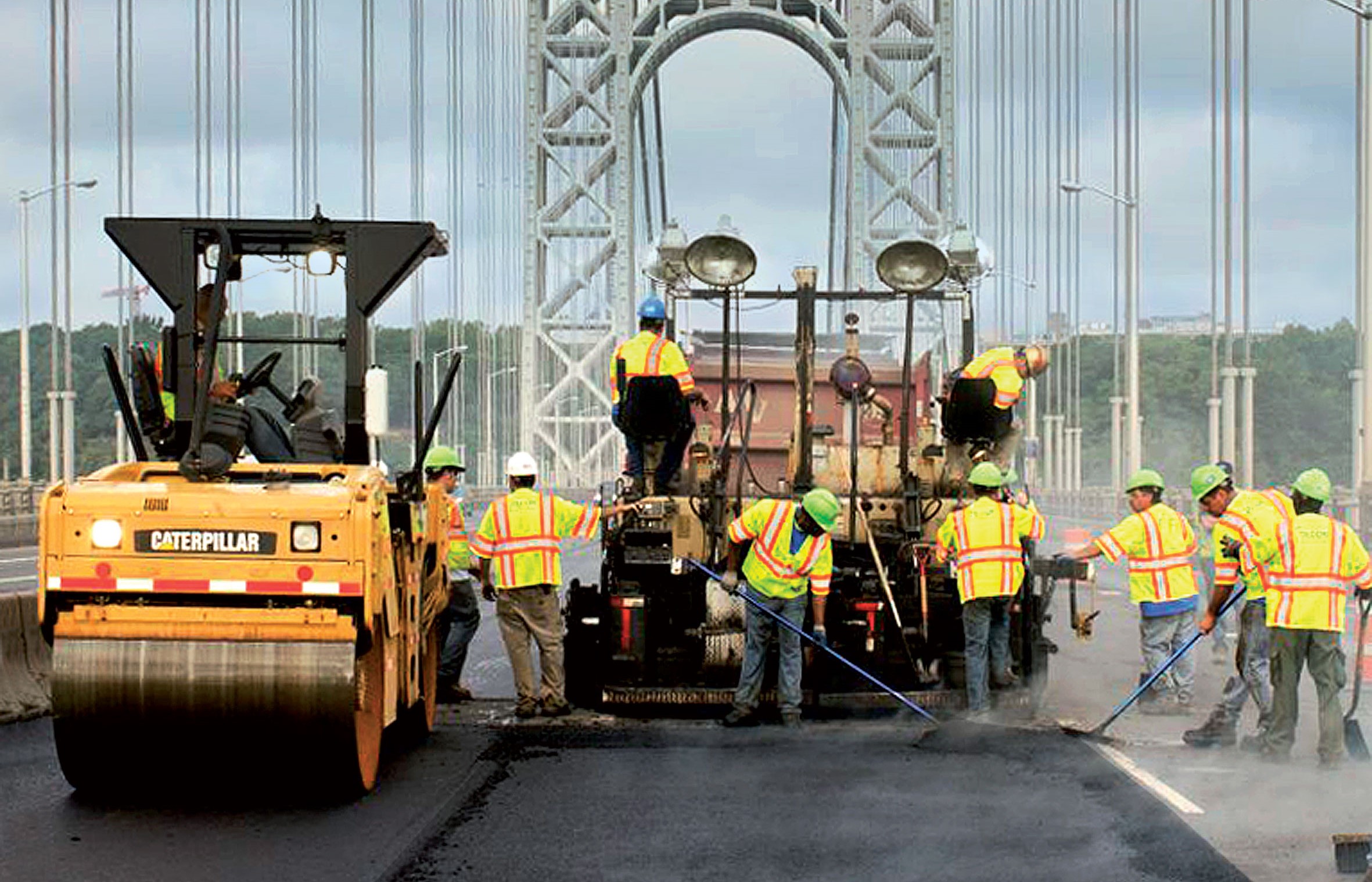
George Washington Bridge
As a reputable paver in the Tri-State area, known for its work on the Mario Cuomo Bridge, Tilcon NY was awarded the contract to resurface G.W. Bridge’s bridge deck…

Yellowstone
HK Contractors (HK), A CRH Company, has completed many successful projects within the park, enabling sightseers to enjoy the vast landscape safely, securely and sustainably…
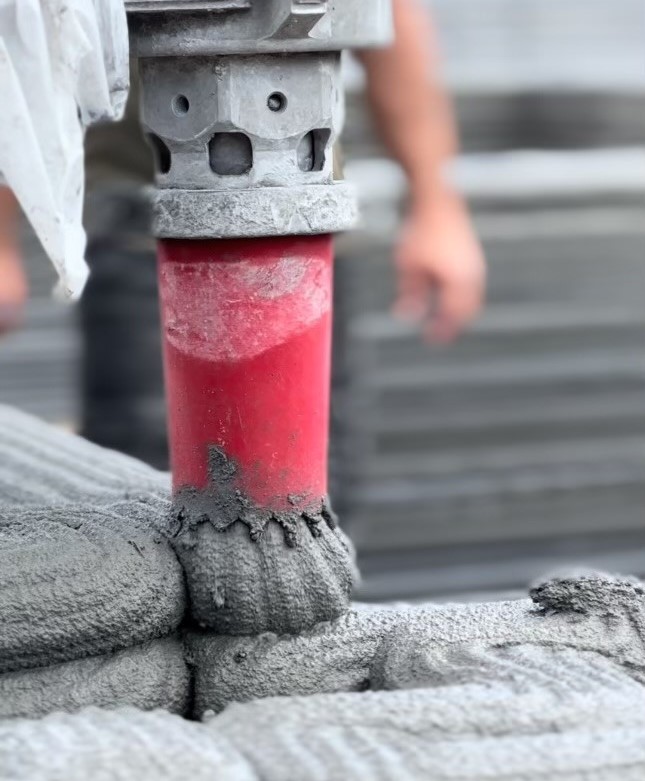
3D Printing: A Durable, Sustainable Solution to the Housing Market
CRH is developing the use of 3D concrete printing (3DCP), a revolutionary construction method by which buildings are ‘printed’ from a plan, one layer of concrete at a time…
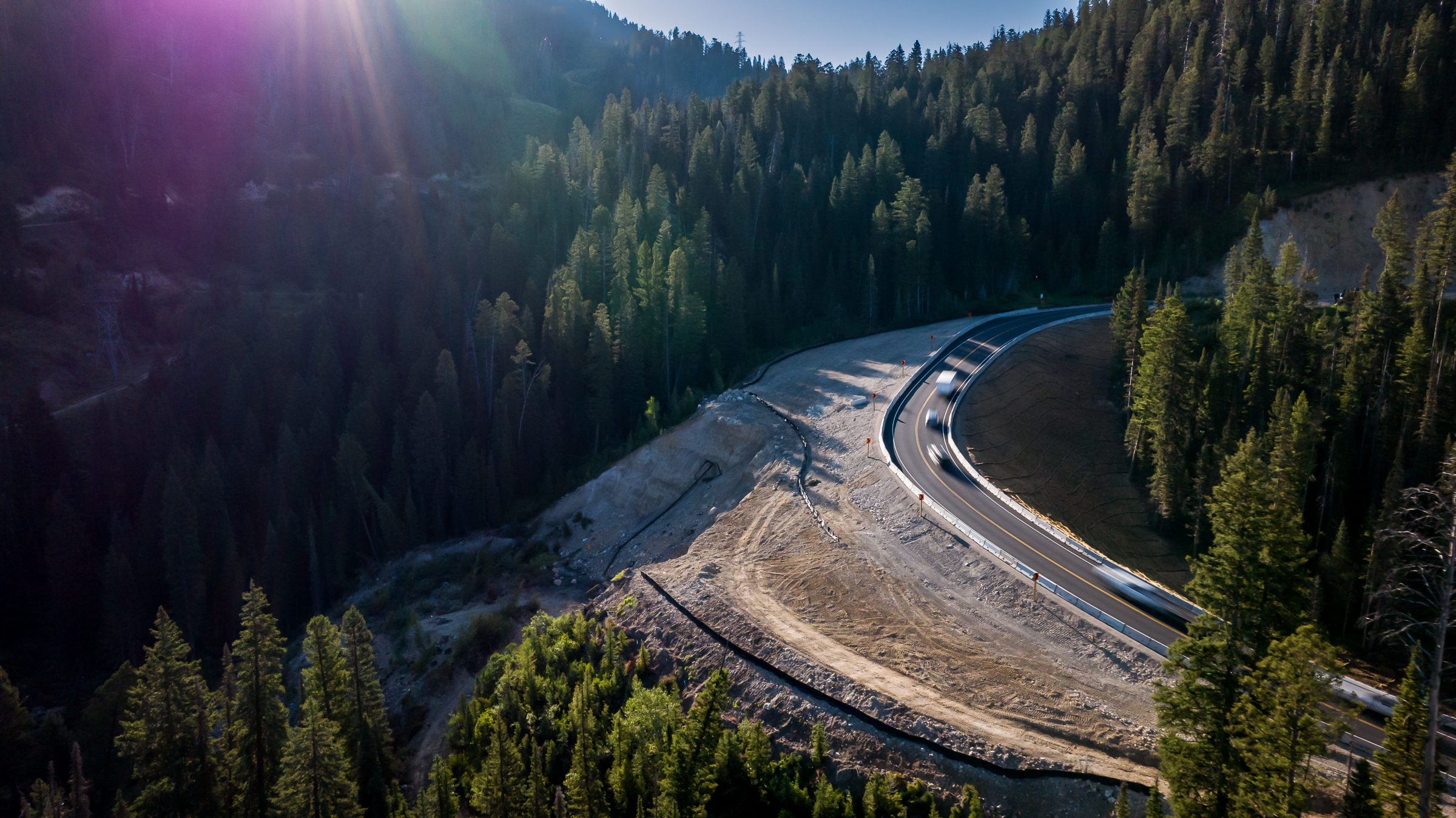
Teton Pass
Following a catastrophic landslide at Teton Pass, CRH companies collaborated to build a critical temporary detour under an almost impossible two-week deadline…